






A desalination plant is an industrial facility responsible for removing salt or other impurities from seawater (or brackish water), primarily in a process called reverse osmosis. This process can make the water safe for human consumption, industrial operations and agricultural irrigation.
Desalination plants are critical systems for addressing water scarcity and drought. They are widespread in various arid regions, such as the Middle East and North Africa, with plentiful seawater but a lack of available drinking water. By incorporating an abundant resource such as seawater, desalination plants offer a reliable and renewable source of drinkable water. This makes them central to a variety of industries, such as agriculture and the industrial sector.
However, there remain considerable drawbacks, including the environmental impacts from the release of a salty byproduct called brine, which harms natural ecosystems. Costs also remain high; however, future developments are striving to create more sustainable, intelligent and cost-effective plants to address future challenges.
How Does a Desalination Plant Work?
A desalination plant follows a series of processes that draw in saltwater before ultimately converting it into freshwater. Although several different types of desalination processes exist, such as distillation-based methods, reverse osmosis (RO) is one of the most widely used. The following are the key steps used in an RO desalination plant:
1. Intake of seawater
The desalination process begins by drawing seawater, using intake pumps and pipes tunnelled under the seabed. These intakes have a screen that prevents any large sea animals from entering. When at full capacity, an intake pipe can deliver around 600 million litres of seawater each day to a desalination plant.
2. Pretreatment and filtration
Before the desalination process can begin, seawater needs to pass through drum screens that remove larger amounts of debris, such as sand, seaweed and rubbish, prior to reaching the plant. The plant’s pre-treatment filter system then removes any fine particles, such as algae and fine sediment.
3. Reverse osmosis (RO)
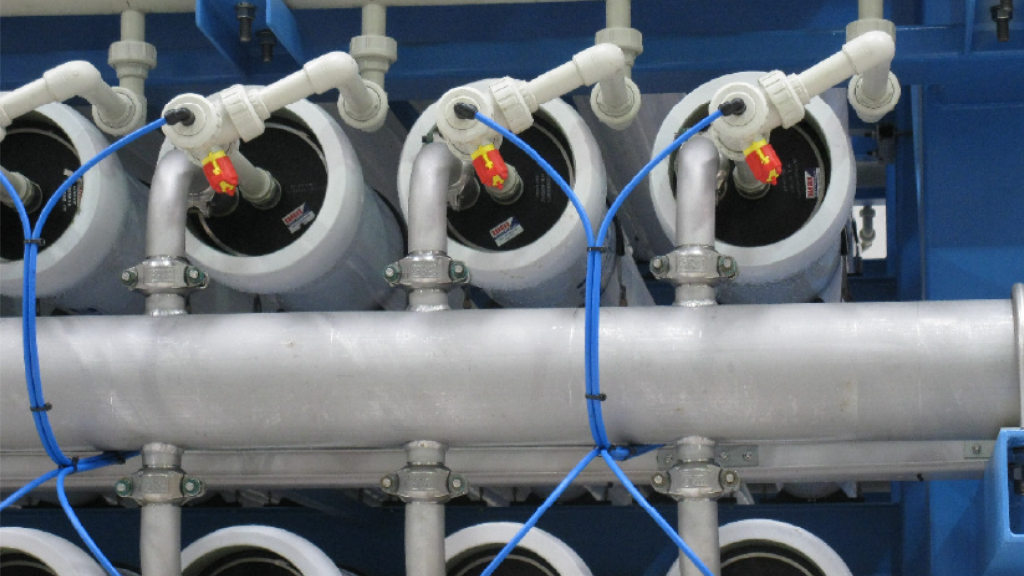
The filtered seawater is pushed through thousands of reverse osmosis membranes at high pressure (60 bar). These membranes have sub-microscopic pores, which work like ultra-fine filters, removing salt, bacteria and other impurities so that only fresh water passes through.
4. Post-treatment
Once the RO is completed, the remaining fresh water still requires mineral rebalancing before it’s fully safe to drink. This is because during the desalination, some valuable minerals, such as calcium and magnesium, may have been removed. Therefore, to ensure it meets the Australian Drinking Water Guidelines, calcium and magnesium are added back, along with chlorine and fluoride, with the water also adjusted for pH balance.
5. Storage and brine discharge
The desalinated water is then transported to tanks for storage. The leftover brine is then discharged back into the ocean through an outlet tunnel, with specially designed outlet dispersion nozzles to ensure it mixes rapidly with the seawater and returns to its normal salinity.
Advantages of Desalination Plants
Desalination plants can offer several major benefits that make them an integral part of communities around the world. These advantages include the following:
Provides a high-quality source of water
Desalination plants can deliver a reliable source of high-quality, fresh water. Due to their large size, they are also capable of producing vast quantities, making them especially valuable for coastal regions where freshwater is limited, or drought-affected countries. These plants can produce potable water that passes stringent regulations, such as the World Health Organisation (WHO) quality guidelines.
Improves water security
Desalination plants can improve a region’s supply of water, ensuring year-round security and reducing the negative impacts of seasonal variations. This also reduces the need to extract water from natural sources, in addition to decreasing the demand for long-distance transport.
Sustainability
By converting abundant seawater into usable water, desalination plants can reduce dependence on rainfall-dependent reservoirs and other freshwater sources. This can improve the sustainability of rivers, lakes and aquifers that may be otherwise exploited, while also benefiting the natural ecosystem.
Support economic growth in various industries
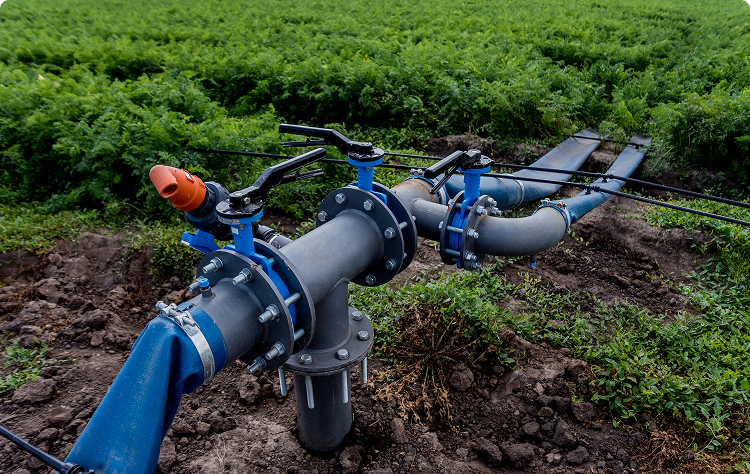
Desalination plants can be utilised to support the economic growth of a variety of industries. It can provide support to the agricultural sector, ensuring water is free from any salt that degrades soil, for stable crop production. Desalinated water is also needed in industries that require ultra-high-quality water, such as electronics manufacturing, chemical processing and pharmaceuticals, among others.
Applications of Desalination Plants

Desalination plants convert seawater into clean, high-quality water for a variety of industries and applications. These typically include the following:
Municipal Drinking Water in Scarcity Regions
These are large-scale plants that are responsible for producing potable drinking water for coastal regions. Particularly for countries such as Qatar, Oman and Saudi Arabia, desalination plants provide a valuable source of water.
Industrial sector
Desalinated water can be used for various industrial sectors, to ensure product quality and prevent equipment scaling. For example, in oil and gas refining, it’s utilised in boilers and cooling systems to reduce corrosion and buildup of scale. It’s also commonly used in industries such as the pharmaceutical and power generation sectors, where high-purity water is required.
Agriculture and Irrigation
Desalination can be integral to the agricultural industry. Particularly in drought-affected regions, these plants provide a high-quality, reliable supply of water that’s essential for boosting crop yield, maintaining soil fertility and providing valuable irrigation.
Tourism and hospitality
On a smaller scale, many remote island resorts and coastal regions may utilise desalination plants to ensure a reliable and self-sufficient supply of water for tourists.
Environmental Impact of Desalination Plants
As desalination plants continue to grow across the world, concerns are mounting about the environmental impact of these facilities. Although they can contribute to a renewable source of drinking water, there are considerable drawbacks that pose a huge challenge.
One of the largest environmental issues is the amount of energy that is used. Desalination plants in large volumes release huge amounts of greenhouse gases into the atmosphere, which contribute to global warming.
The biggest environmental impact is the production of brine. In desalination plants, for approximately every litre of usable water produced, roughly 1.5 litres of wastewater liquid, filled with chlorine and copper, is generated, which is twice as saline as ocean water. If not properly managed, it can form a dense plume of toxic brine, which can be incredibly harmful to marine life, while contaminating nearby waters and degrading coastal ecosystems. Specifically, brine can lower the amount of oxygen in the water while increasing the salt concentration, which can be difficult for fish and other animals to survive.
Desalination plants typically discharge brine back into the sea using specialised diffusers that rapidly dilute it to reduce the impact on marine life.
Desalination Plant Cost and Setup
The costs for constructing a desalination plant are high. This is especially true within large-scale operations where vast amounts of resources and technology are required. Not to mention the costs for ongoing maintenance and energy. This can make desalination plants a challenge for both the public and private sectors.
The exact cost for constructing a desalination plant depends on various factors, such as the location, water type, size, and the type of desalination process utilised. For modern facilities, the price of investment typically ranges from around $50,000-$500,000 for small-scale units, to between $300 million and well over $1 billion upfront for larger projects.
It should be mentioned that, like other large-scale projects, costs can grow exponentially over time. For example, the Victorian Desalination Plant was initially estimated to cost $2.9 billion, which grew to approximately $4 billion to construct.
High costs remain a challenge for the growing proliferation of desalination plants worldwide. Especially in poorer regions, where financial resources and capital investment are limited. However, costs for setting up desalination plants are improving, with new technologies and energy-efficient designs. Particularly, as more communities and regions recognise how these systems can provide a stable option for meeting the long-term demand for fresh water, desalination is becoming an increasingly cost-effective solution.
Desalination Plants in Australia
Following the devastating Millennium drought of the late 1990s to early 2000s, Australia has invested heavily in alternative water supply strategies, including desalination plants. With the continued challenges posed by a drying climate and unreliable rainfall, Australia is entering a water infrastructure boom expected to significantly expand the current desalination capacity.
These expansions are also driven by Australia’s rapid population growth, particularly within capital cities, which are putting greater pressure on urban water supplies. It’s estimated that by 2032, there will be a 10% increase in the demand for water.
Modern seawater reverse osmosis (SWRO) plants help to meet these challenges, offering a continuous supply of water through long periods of drought. It’s estimated that in the next 10 to 15 years, approximately 2,500 million litres of desalination capacity will be built in Australia for drinking, mining and industrial purposes.
Australia’s major cities are already drawing significantly from desalination. Plants in Perth have the capacity to provide almost half of the city’s water needs, with construction underway on a new plant in the coastal suburb of Alkimos. Desalination plants in Sydney are estimated to supply approximately 15% of the city’s drinking water, while up to 33% of Melbourne’s supply comes from the plant in Wonthaggi.
With demands for water growing, the Queensland government is planning to expand their plant in the Gold Coast, while an independent review has recommended the Victorian Government start planning to expand the state’s desalination capacity.
All of these developments reaffirm the direction Australia is heading, with desalination a key pillar to the future of the nation’s water security.
The Future of Desalination Plant Design
Although desalination plants remain an expensive investment, with substantial environmental drawbacks, they are likely to become even more integrated into regions globally. Particularly as the demand for clean drinking water rises due to climate change and population growth, desalination will be required to address this global scarcity.
To ensure desalination plants remain a viable system of addressing water concerns, significant investment into new technologies and more sustainable practices will be required.
For example, AI-powered systems with real-time data analysis are being incorporated to optimise efficiency levels and automate certain processes. Developments are also focused on sustainability with more desalination plants powered by green energy, such as solar panels. This takes advantage of the abundant sunshine found in drought-affected areas to reduce the high electricity costs and greenhouse gas emissions.
Countries, such as the UAE, Saudi Arabia, Israel and Qatar, where water scarcity is a major issue, are expected to increasingly rely on desalination. For example, approximately 77.3 per cent of total water demand in Qatar is supplied by desalination efforts. This makes future improvements to desalination plants essential for overcoming water supply issues.
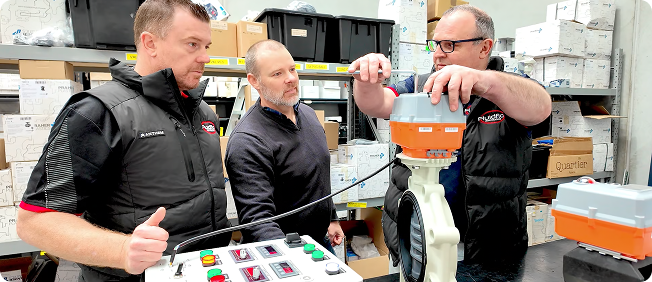
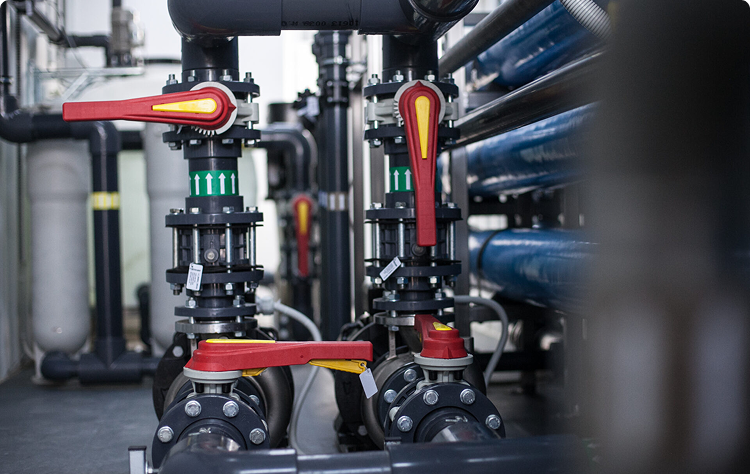
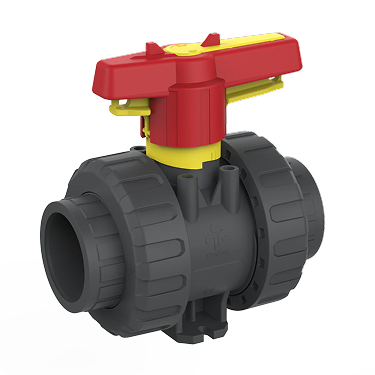
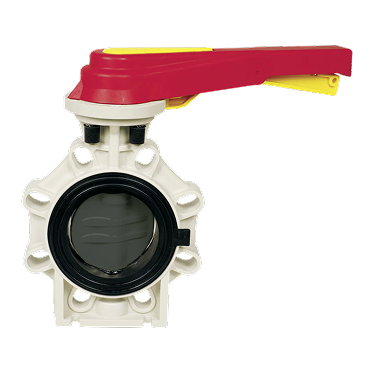
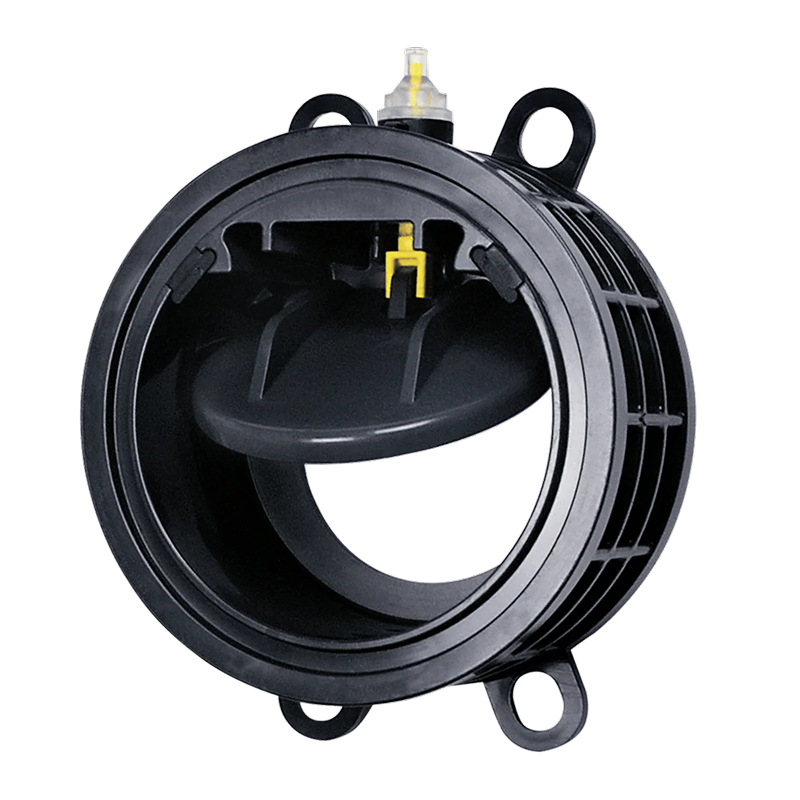
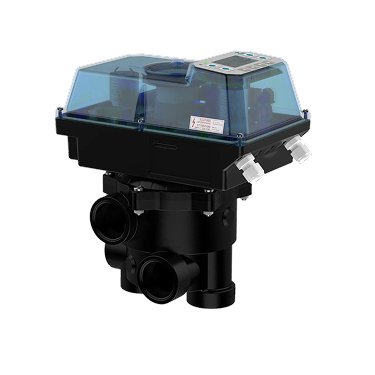
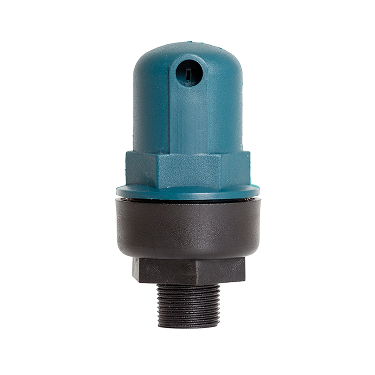
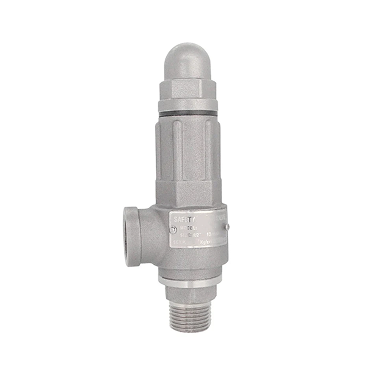
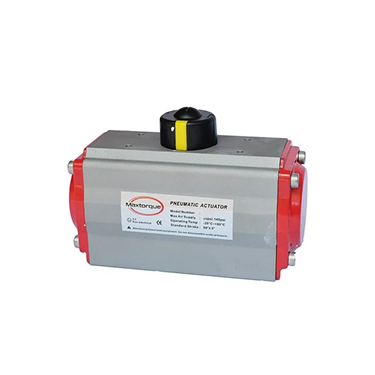
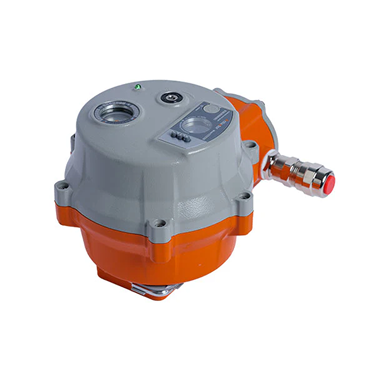
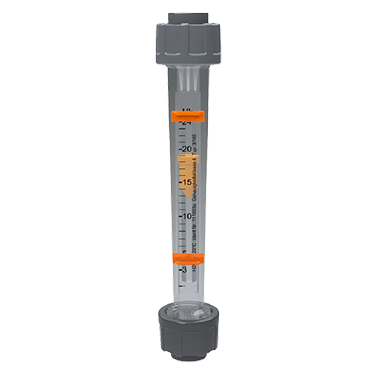
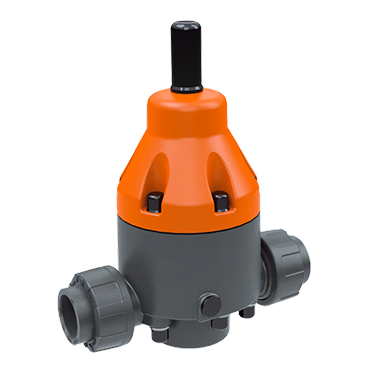
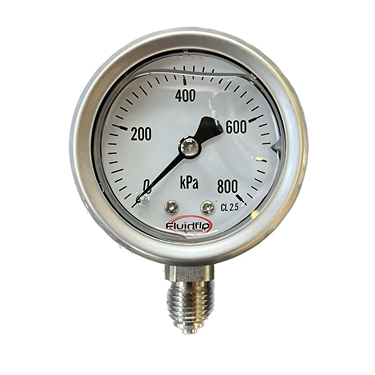
With the continued growth of desalination infrastructure across Australia, demand for the various components that underpin these plants will only increase. Valves and actuators are key components to desalination plants, controlling flow and managing pressure to keep all operations running smoothly and safely. Fluidflo are the industry-leaders in distributing high-quality valve and actuator products across Australia. To learn more about how their range of products can support desalination projects, please contact the team here.