INDUSTRY SOLUTIONS 
VALVES
ACTUATORS
Instrumentation

Fast Delivery Australia-wide – Metro and Regional areas
INDUSTRY SOLUTIONS
VALVES
ACTUATORS
Instrumentation
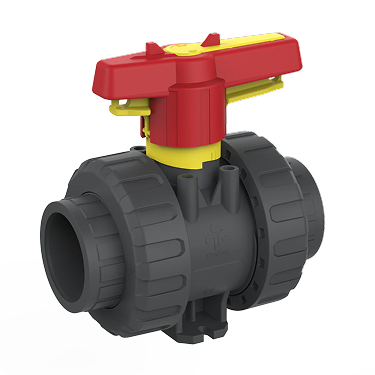
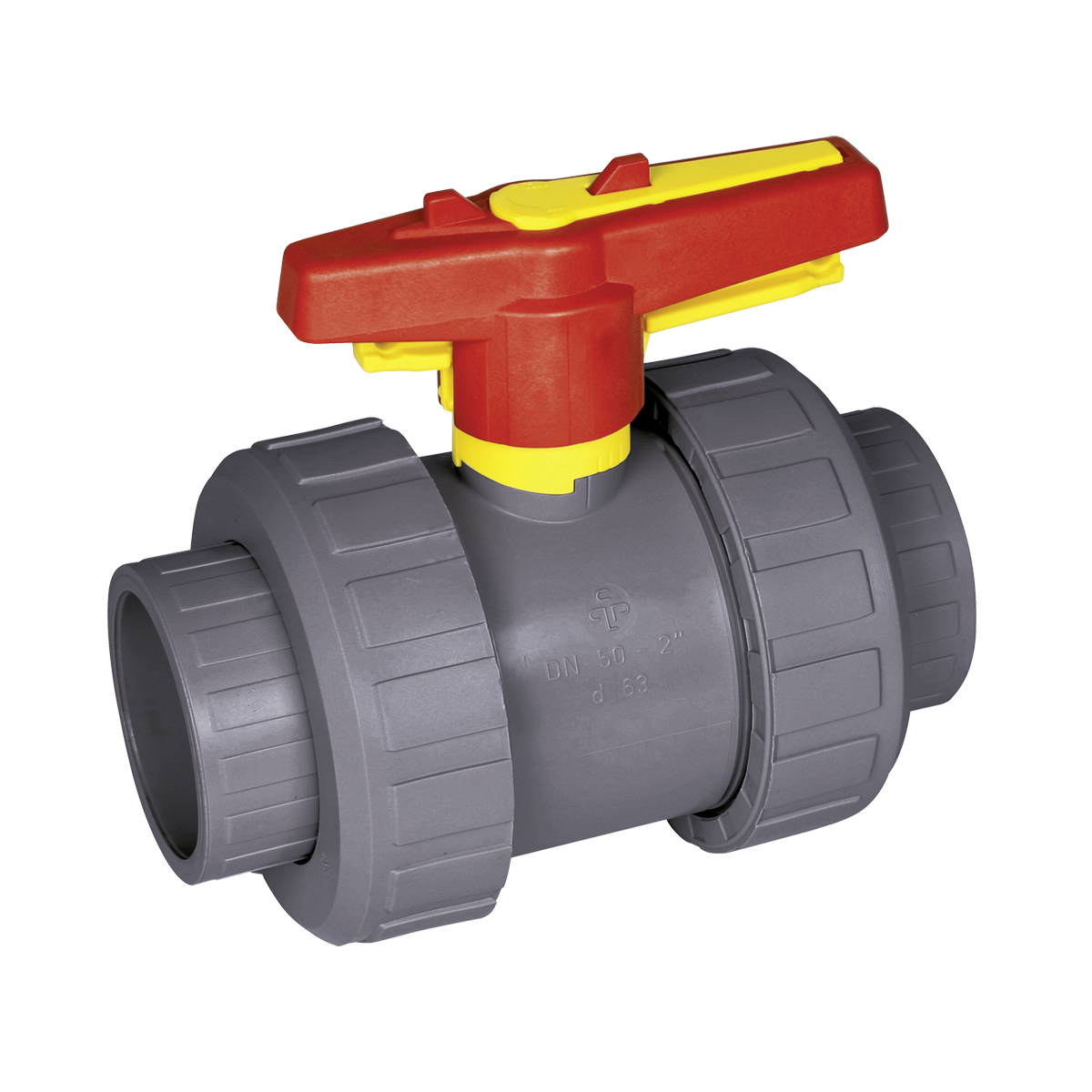
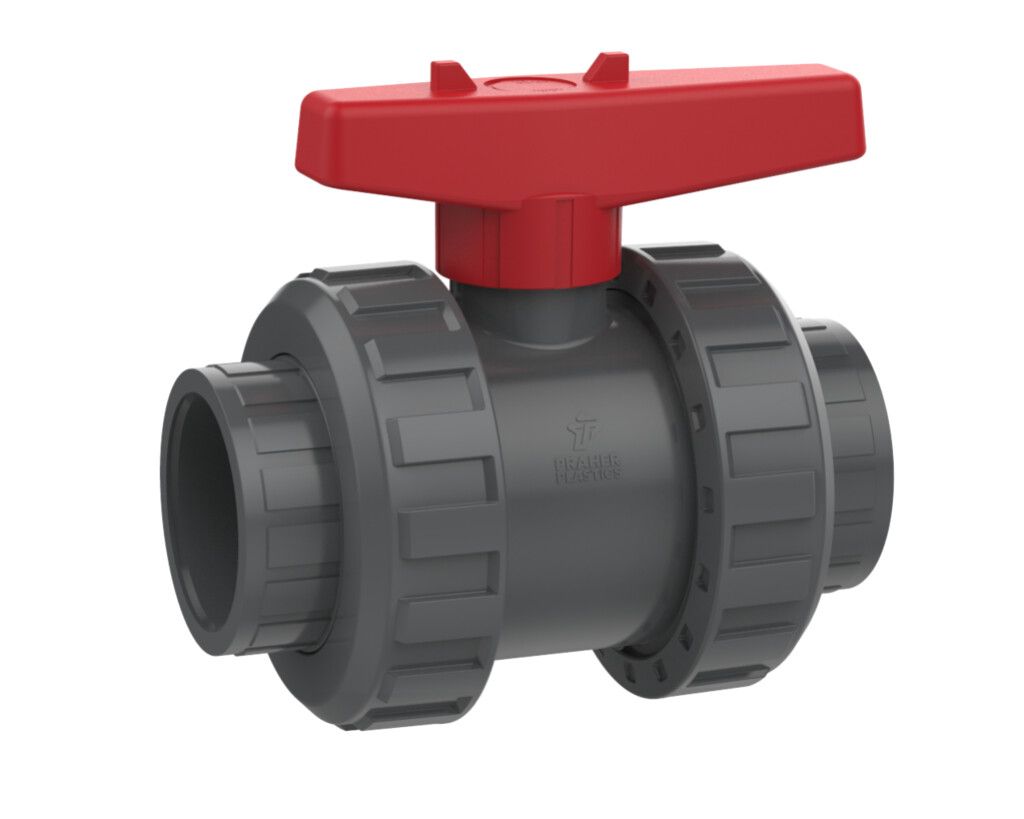
Thermoplastic
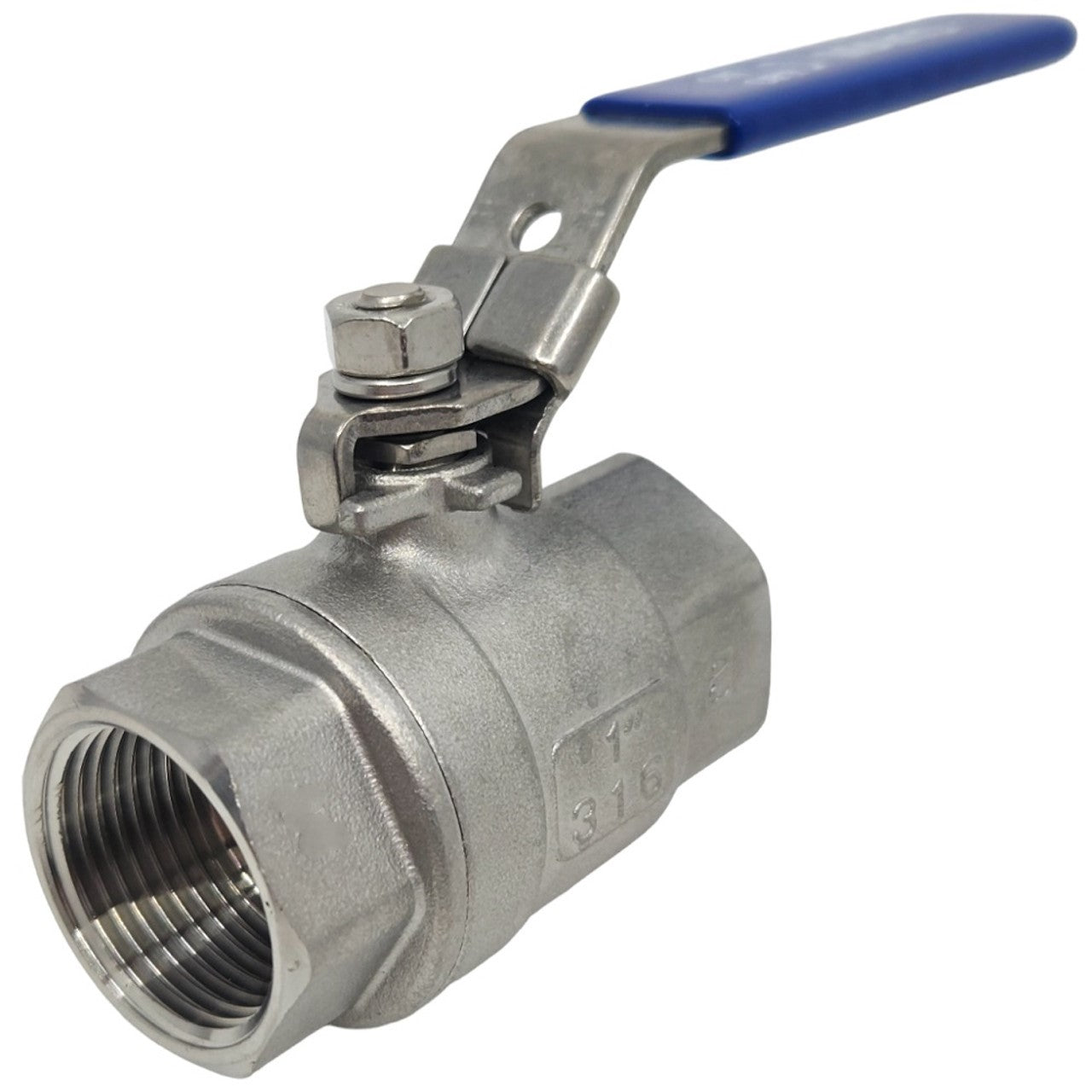
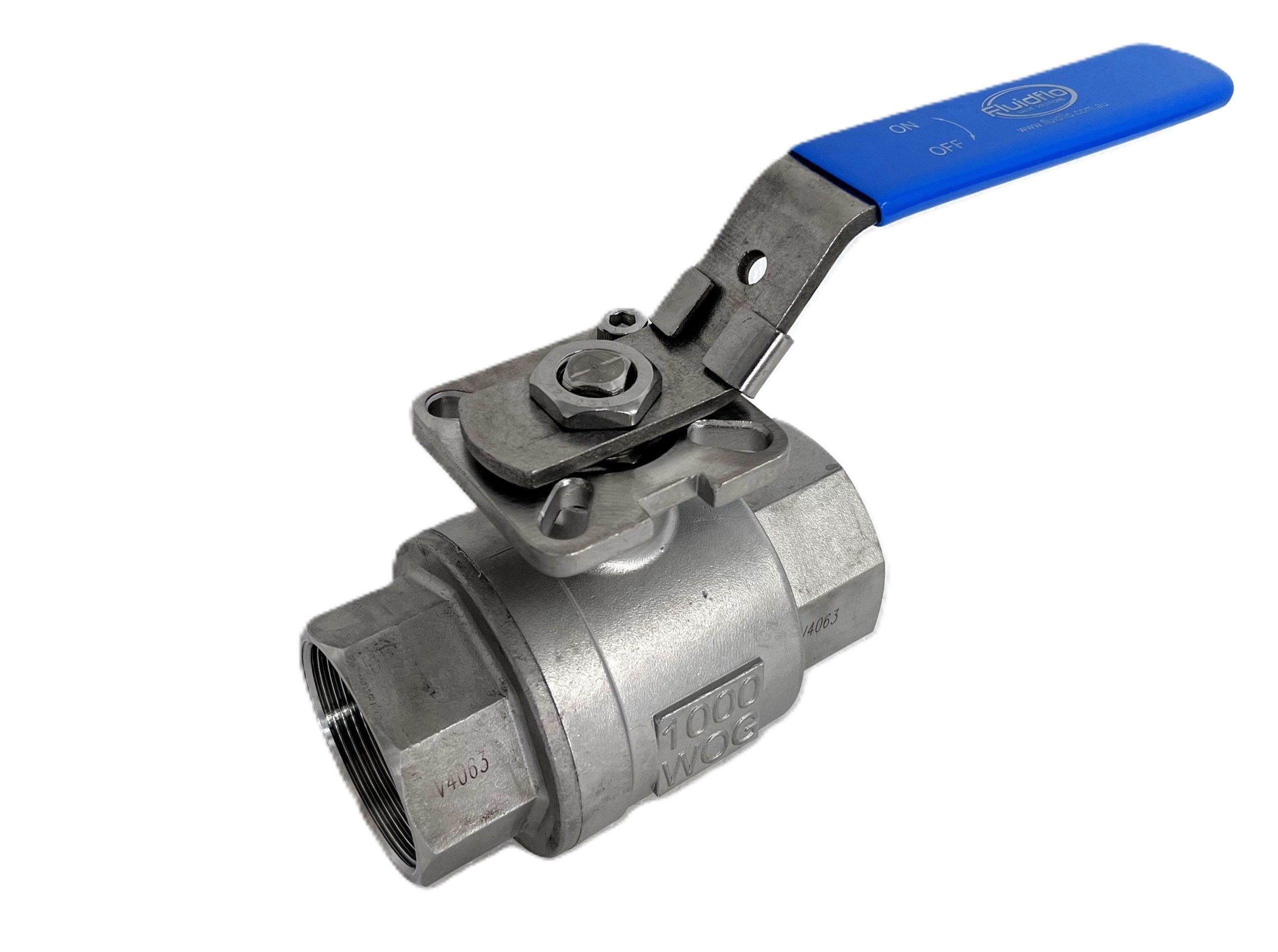
Stainless Steel
Actuated
+ more
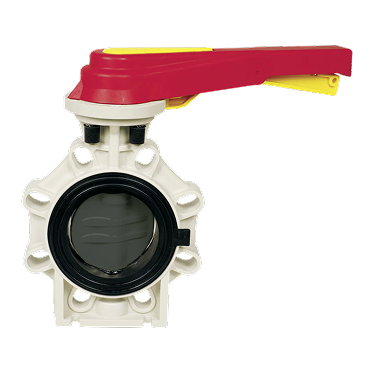
Thermoplastic
Electrically Actuated
Pneumatically Actuated
+ more
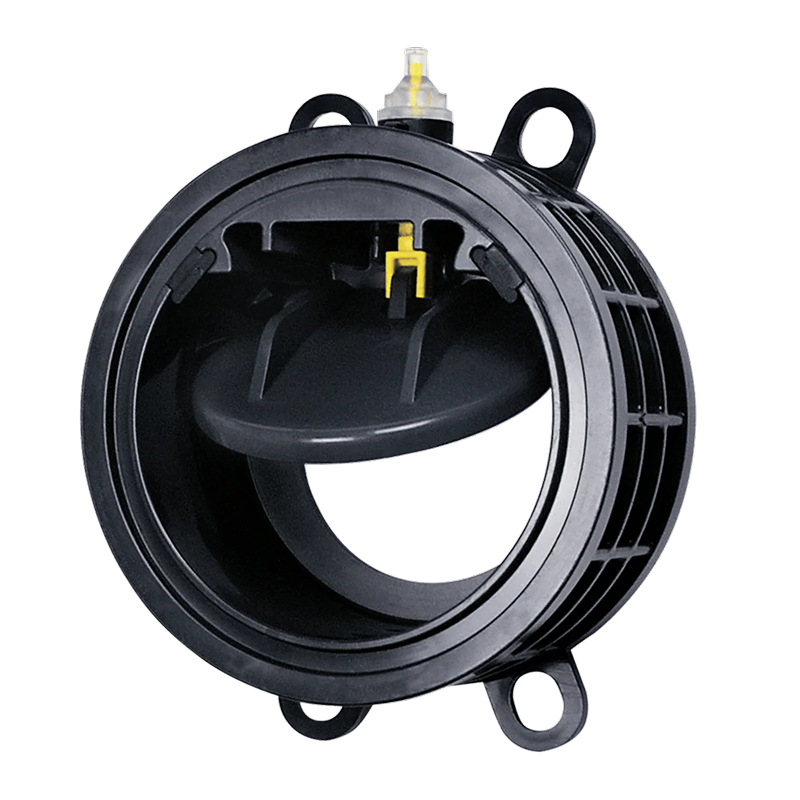
Thermoplastic
Spring
Weighted
+ more
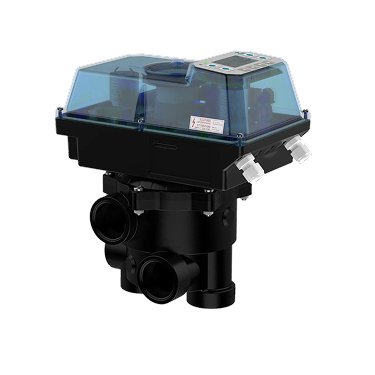
Thermoplastic
Side / Top Mount
Electrically Actuated
+ more
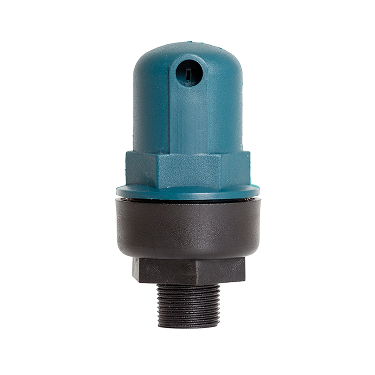
Thermoplastic
Automatic
Aerating
+ more
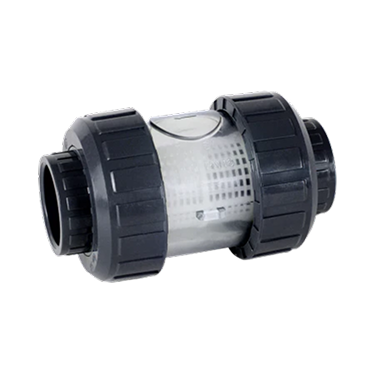
Thermoplastic
Material Filter
PP/Stainless steel screen mesh
+ more
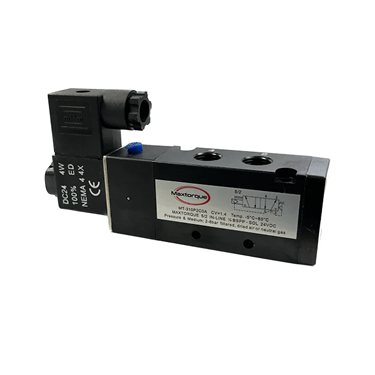
Aluminium-anodised
Inline
Namur
+ more
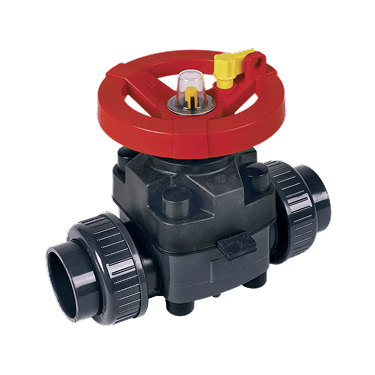
Thermoplastic
Stainless Steel
Actuated
+ more
Differential pressure
Stainless Steel
Brass
+ more
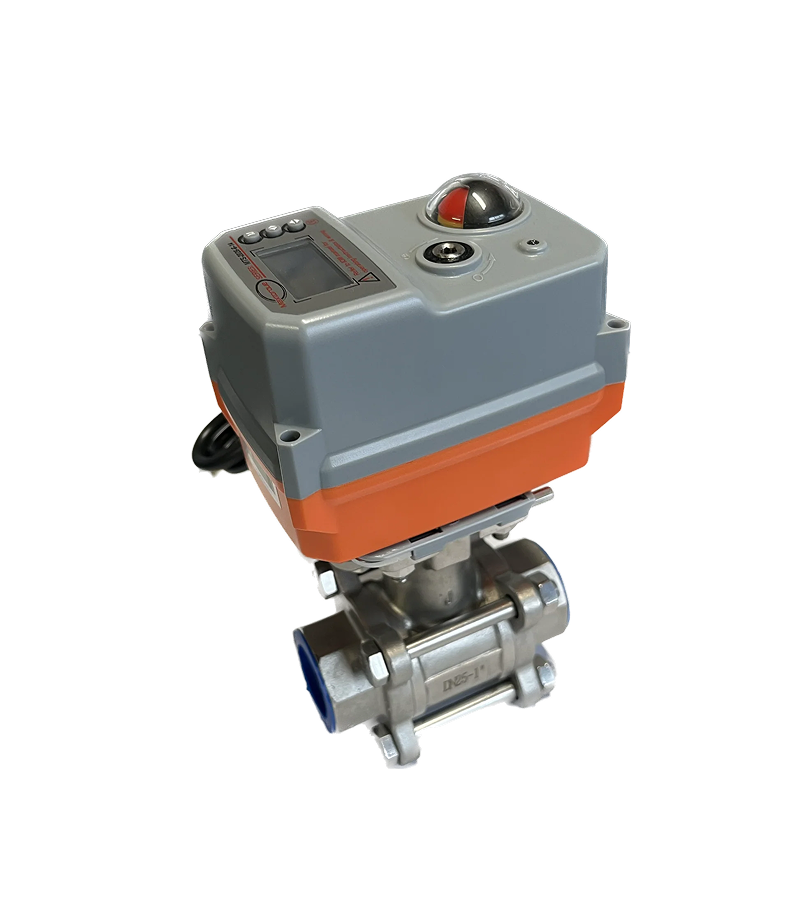
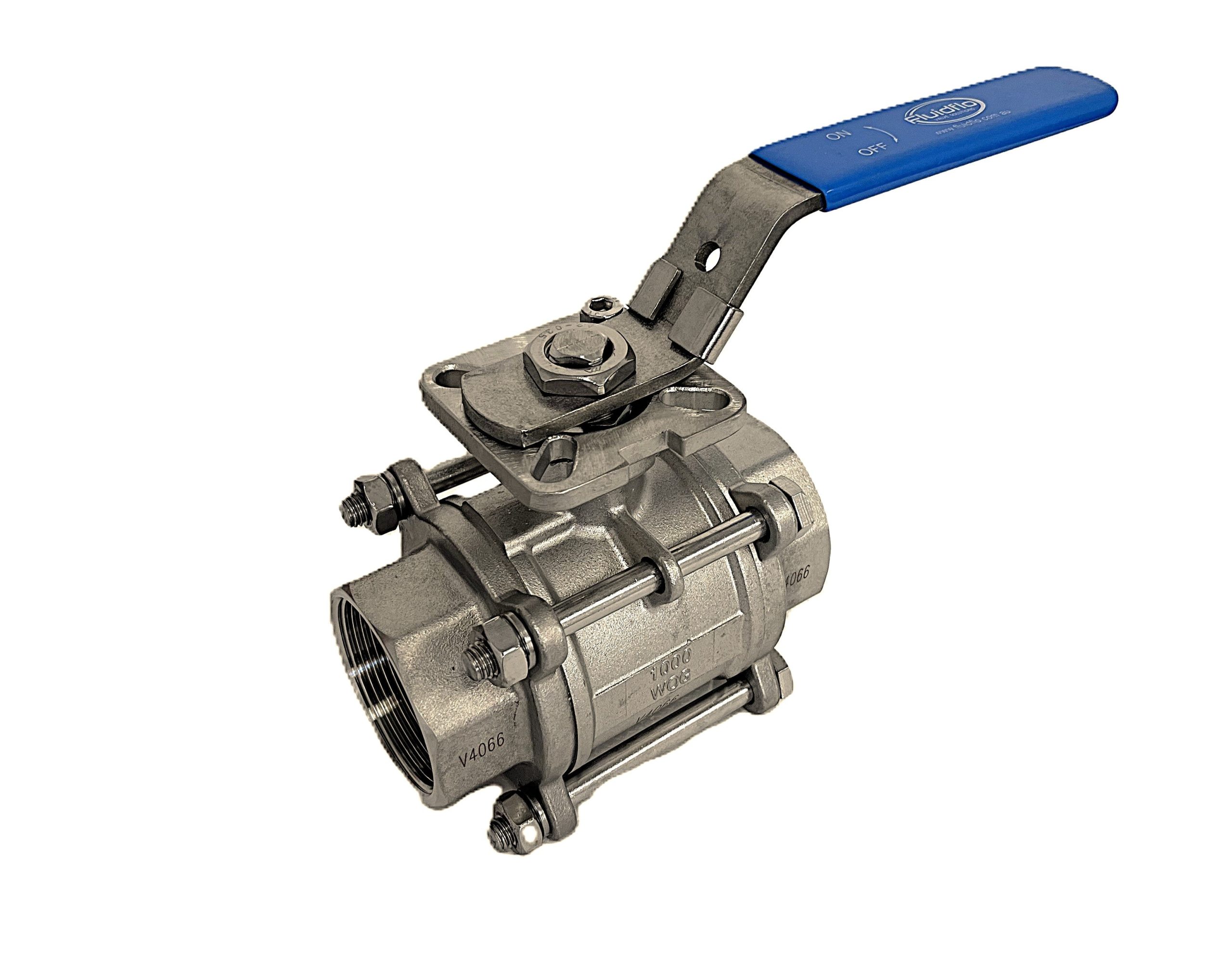
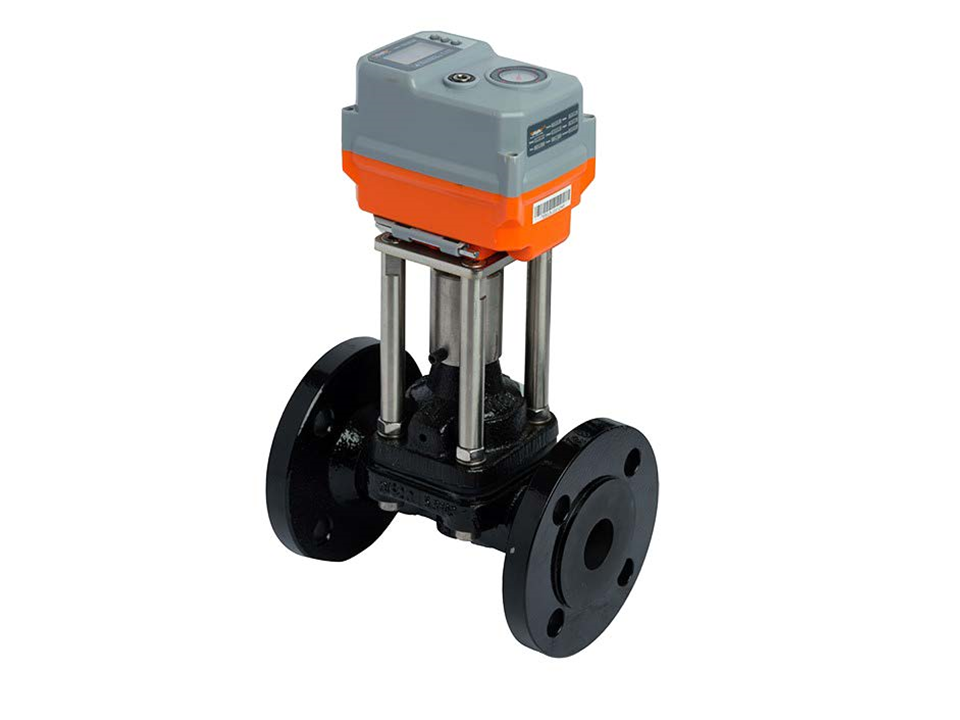
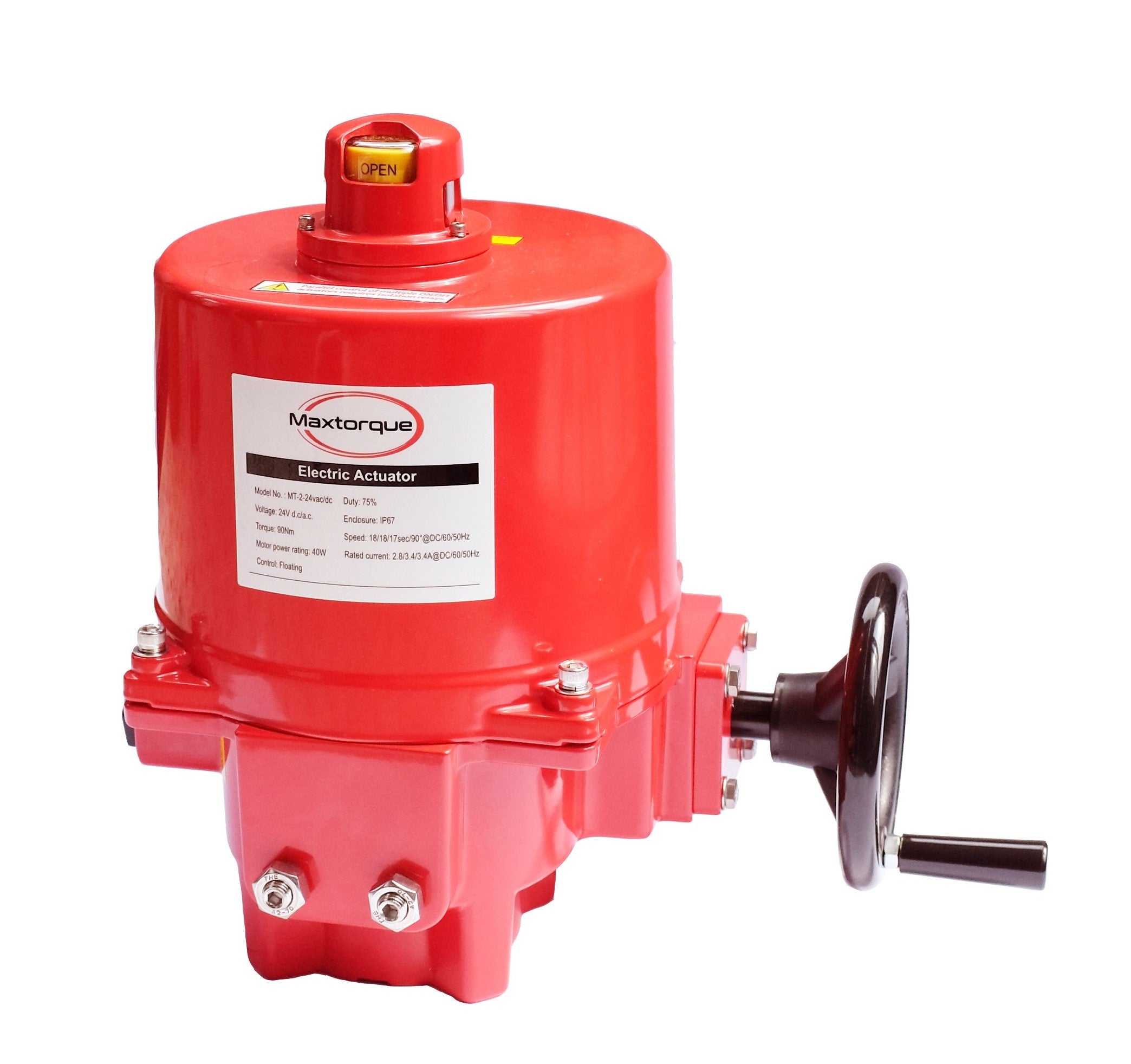
Comprehensive valve and actuator solutions for water treatment facilities.
View products 
View products 
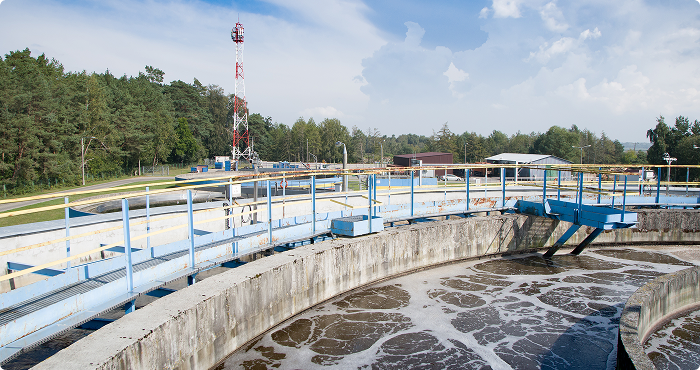
Valves and actuators are essential components within wastewater management. They are responsible for controlling the flow of raw and treated water, as well as sewage through treatment and distribution networks. Valves and actuators regulate pressure and direction of flow at each stage of the management process, from the initial intake to disinfection and discharge. These components help different facilities meet the strict environmental and safety standards established by state Environment Protection Authorities (EPAs).
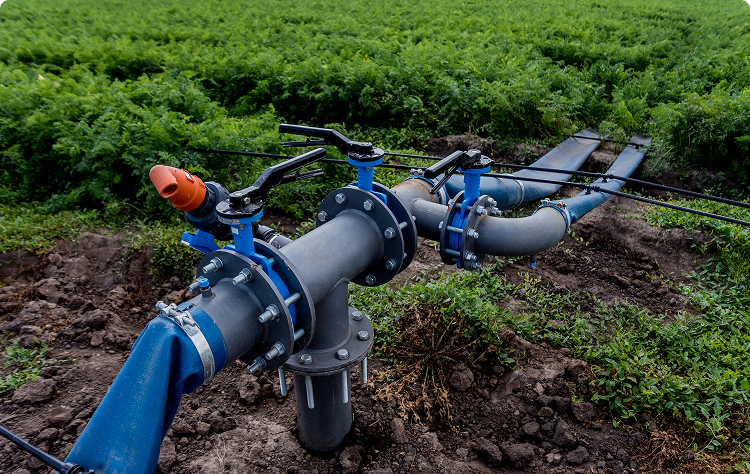
Valves and actuators serve as the backbone of any modern irrigation system. They help to manage the precise distribution of water across various agricultural, horticultural and landscaping applications. They are responsible for controlling how much water is delivered to crops, while ensuring efficient water use to minimise waste. Actuators pair with valves to enable automated scheduling and remote control that allows large irrigation networks to operate with minimal manual control. Without effective valve and actuator components, irrigation would be inefficient, wasteful and unable to meet the high demands of agricultural production.
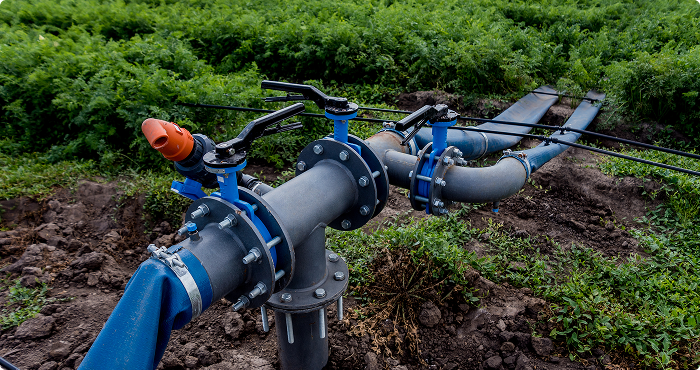
Within stormwater drainage systems, valves and actuators can help manage the capture, redirection and release of stormwater. This is essential for managing flood risks and protecting various communities, infrastructure and waterways. Valves are responsible for controlling how stormwater moves through the various pipes and drainage areas, allowing operators to control direction and isolate sections of the network for maintenance. Actuators help operators respond rapidly to changing weather conditions and to manage flooding remotely. Without these specialised components, drainage systems would be unable to respond effectively to extreme weather events or maintain compliance under regulations.
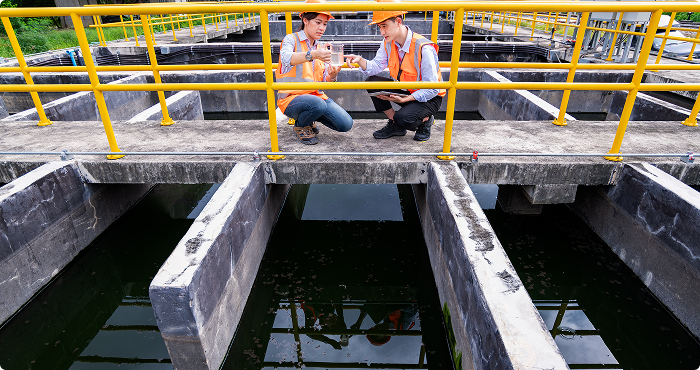
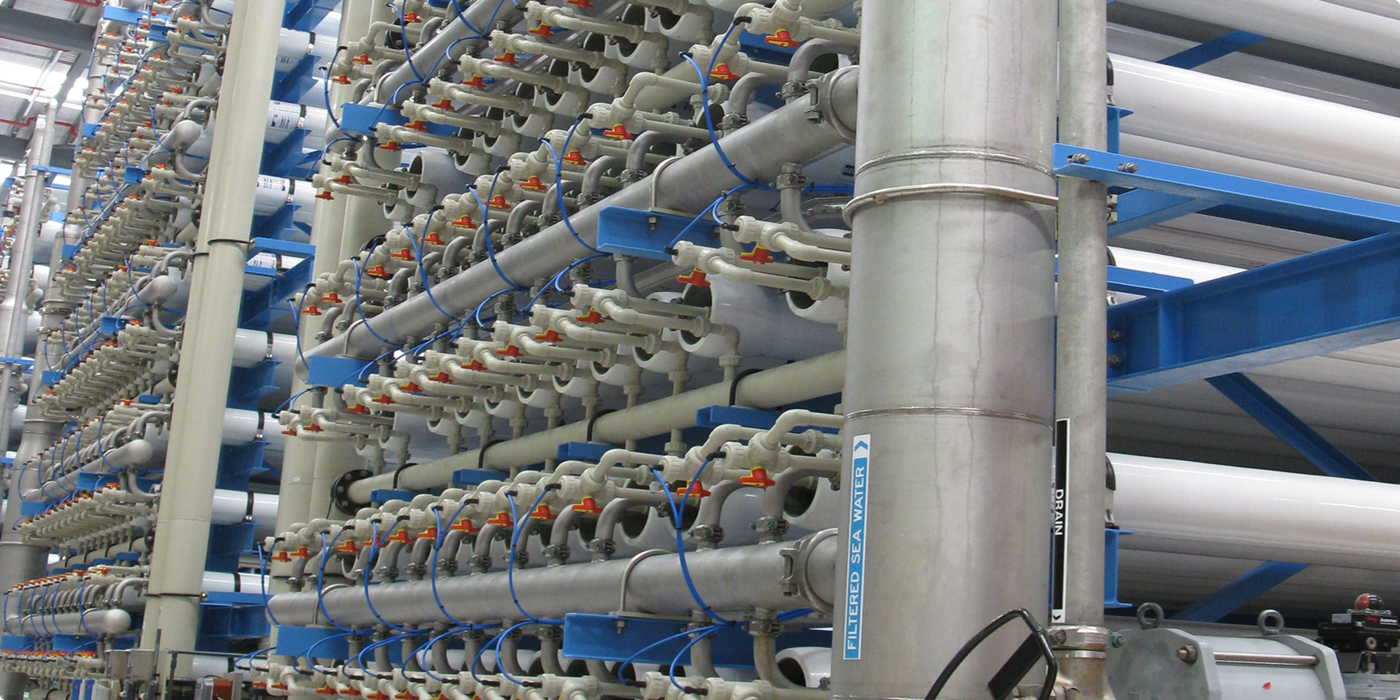
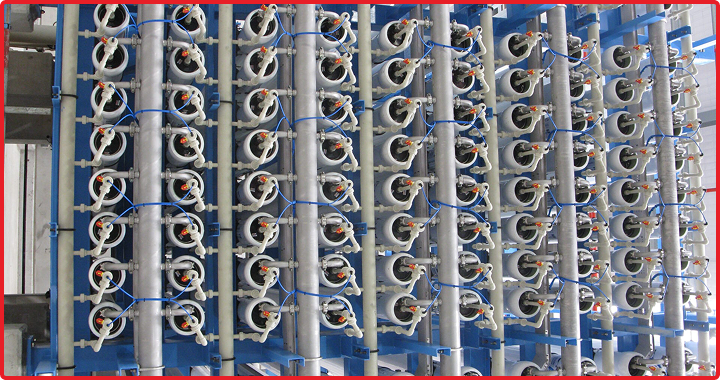
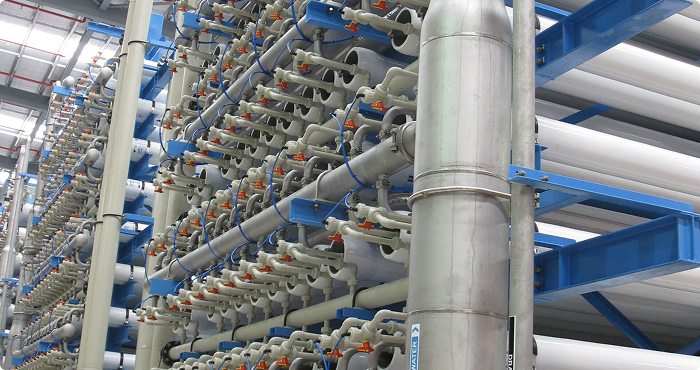
Desalination plants involves the processing of large amounts of seawater through a high-pressure process called reverse osmosis. Valves and actuators are critical to managing these high pressures, helping to contain corrosive seawater and provide precise flow control. They help to regulate the intake of seawater and discharge of brine, while protecting the expensive membranes and equipment from any pressure spikes and backflow. Together, valves and actuators help desalination plants operate reliably under demanding conditions while helping to minimise energy use and wear and tear on equipment.
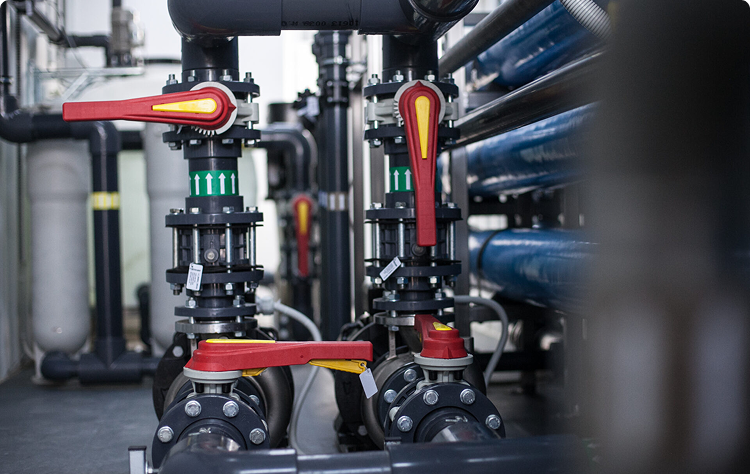
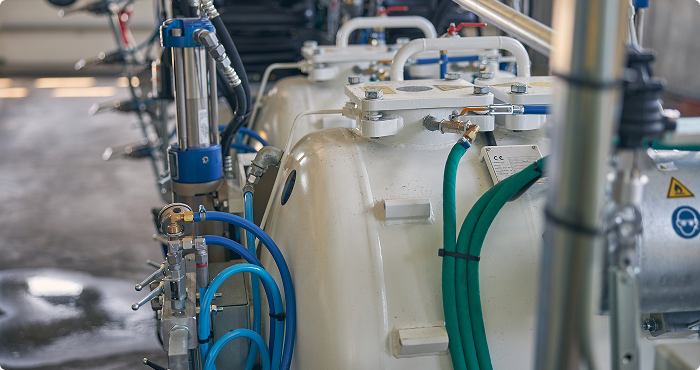
Chemical dosing systems require precise and reliable valve and actuator solutions to ensure chemicals are safely introduced into water. While valves are used to control the flow and metering of chemicals, actuators provide automation and make real-time adjustments to ensure safety and efficiency. All valves and actuators must be compatible with the chemicals being used to prevent corrosion or contamination. Without these components, chemical dosing systems may produce inaccurate results, and risk serious safety hazards.
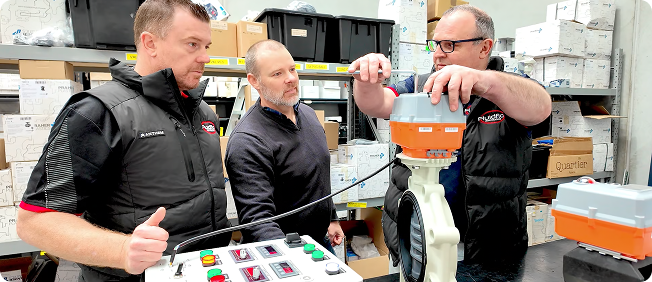
Whether you're working on a large-scale project or a smaller pilot plant, our specialists can help you select the right products for your needs.
CONTACT US
Whether you're working on a large-scale project or a smaller pilot plant, our specialists can help you select the right products for your needs.
CONTACT USNeed help finding what you need?
 CONTACT US
Need help finding what you need?