INDUSTRY SOLUTIONS 
VALVES
ACTUATORS
Instrumentation

Fast Delivery Australia-wide – Metro and Regional areas
INDUSTRY SOLUTIONS
VALVES
ACTUATORS
Instrumentation
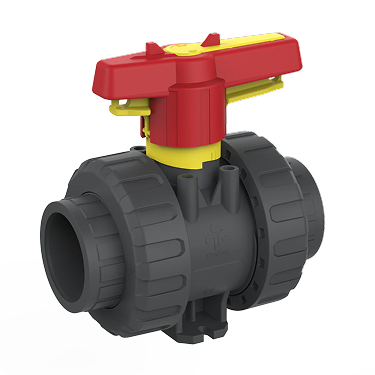
Thermoplastic
Stainless Steel
Actuated
+ more
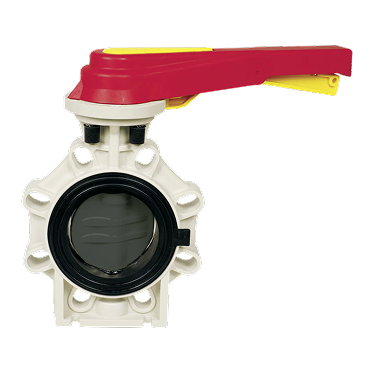
Thermoplastic
Electrically Actuated
Pneumatically Actuated
+ more
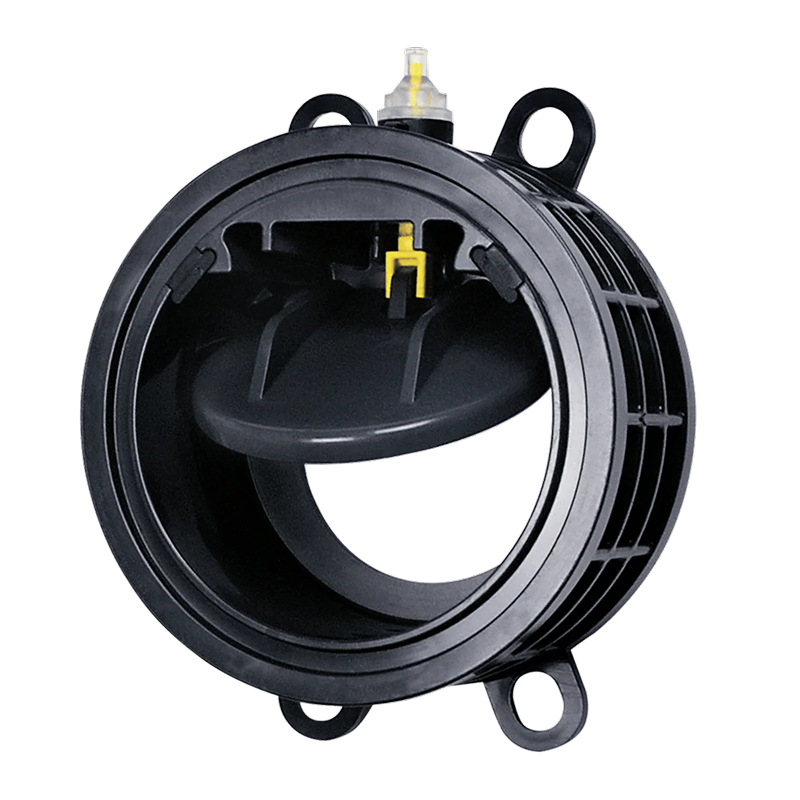
Thermoplastic
Spring
Weighted
+ more
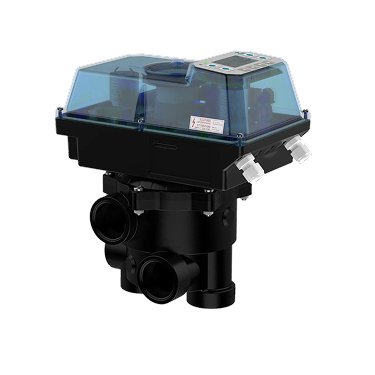
Thermoplastic
Side / Top Mount
Electrically Actuated
+ more
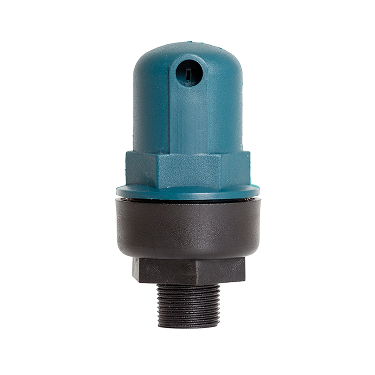
Thermoplastic
Automatic
Aerating
+ more
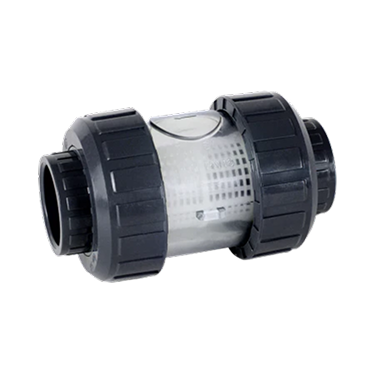
Thermoplastic
Material Filter
PP/Stainless steel screen mesh
+ more
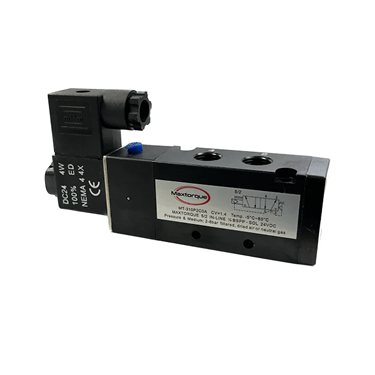
Aluminium-anodised
Inline
Namur
+ more
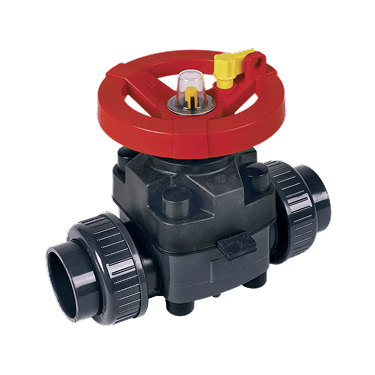
Thermoplastic
Stainless Steel
Actuated
+ more
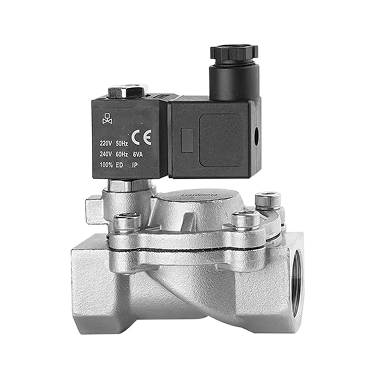
Differential pressure
Stainless Steel
Brass
+ more
Fluidflo Valve Solutions, an Australian leader in valve solutions, offers an extensive range of ball valves. These are pivotal in precise fluid control, ensuring optimal operation across diverse sectors. Ball valves are commonly used in a variety of industries from water treatment plants to chemical processing, oil and gas industries. At Fluidflo Valve Solutions, our selection includes Stainless Steel, Thermoplastic, and Actuated Ball Valves, ideal for controlling fluid flow in pipelines, regulating chemical solutions and managing water distribution.
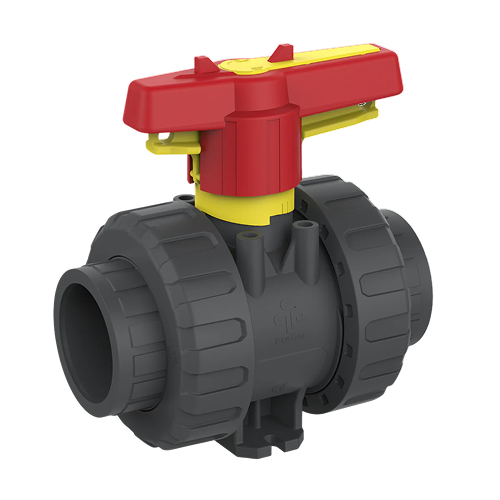
Whether you're working on a large-scale project or a smaller pilot plant, our specialists can help you select the right products for your needs.
CONTACT US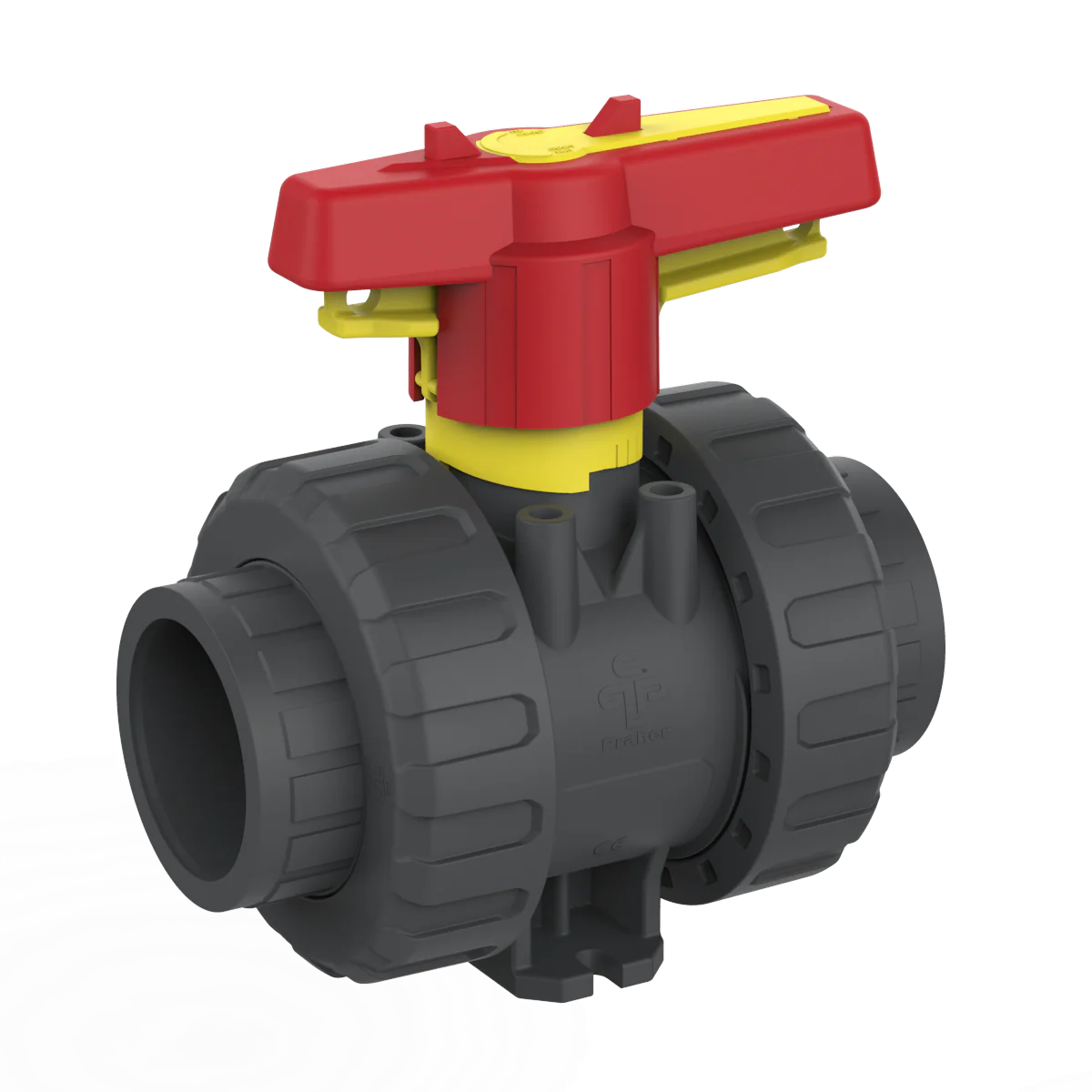
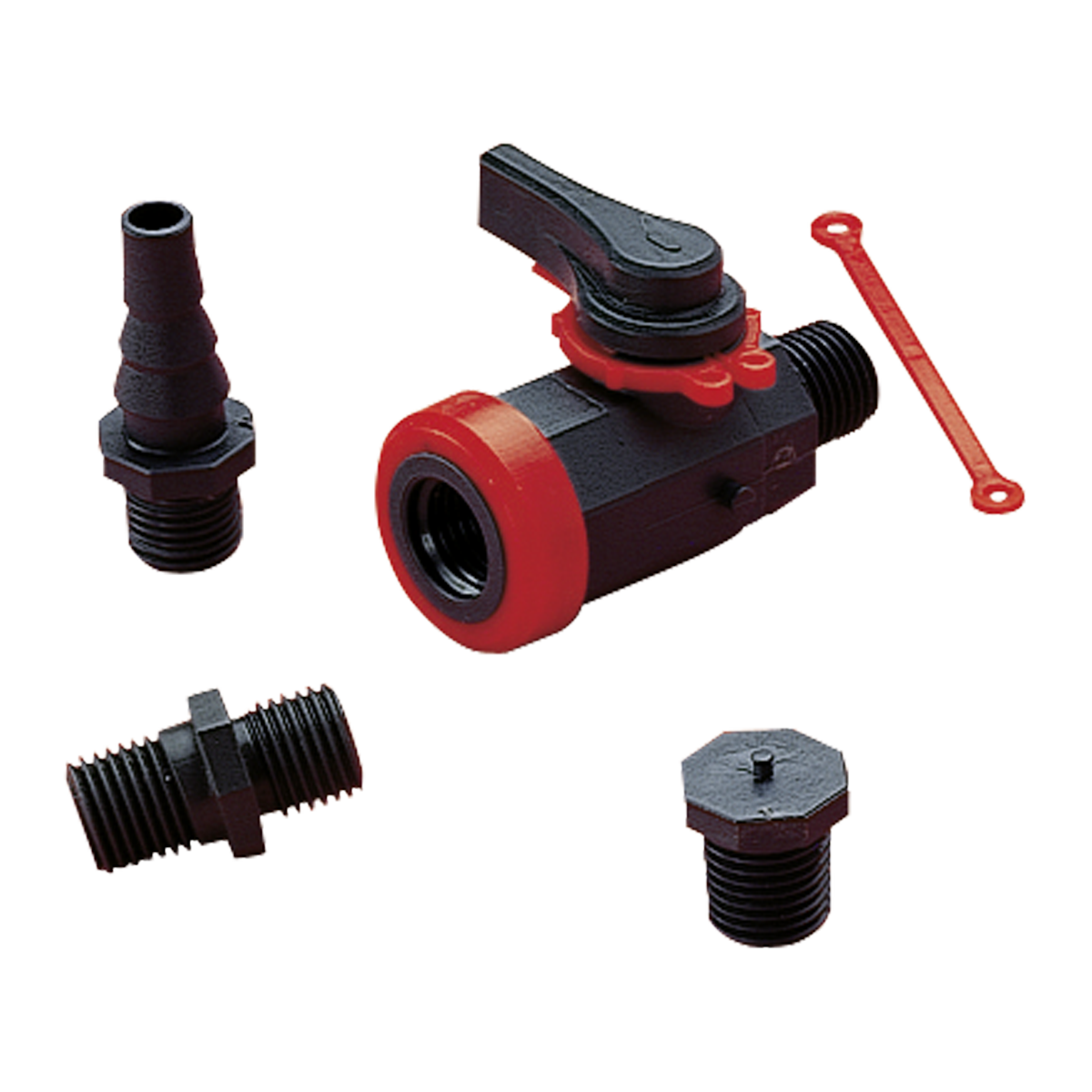
Whether you're working on a large-scale project or a smaller pilot plant, our specialists can help you select the right products for your needs.
CONTACT US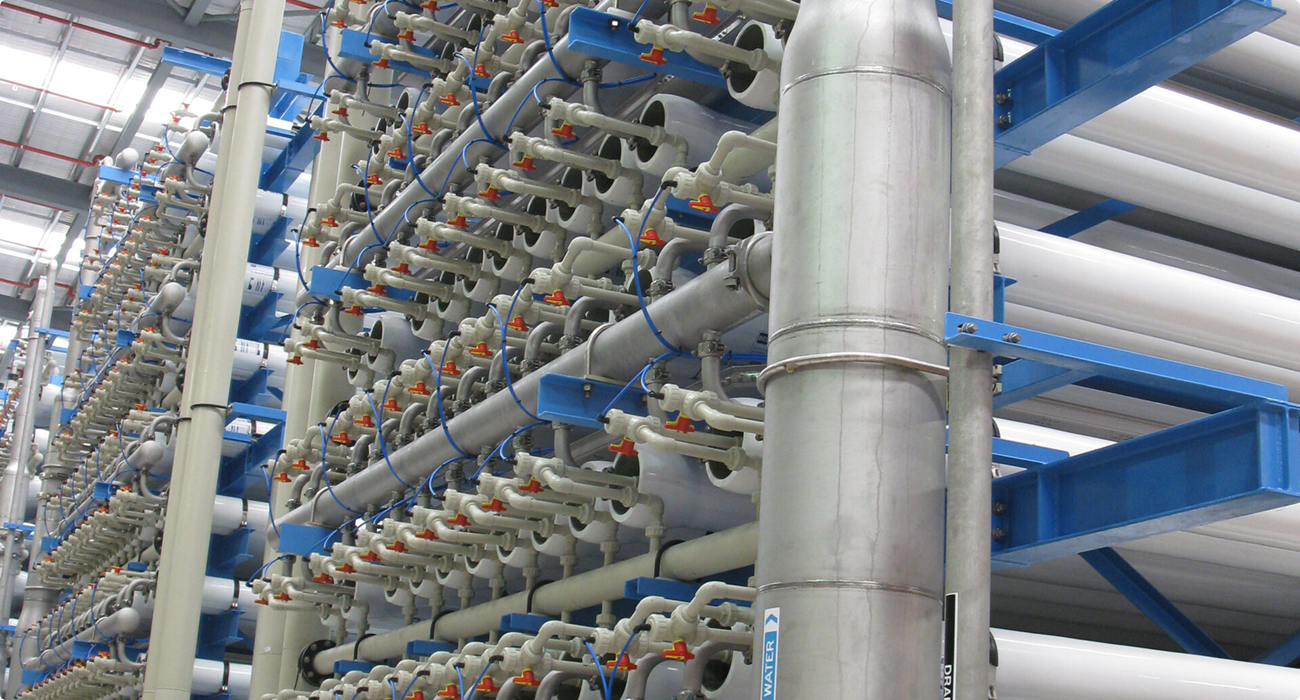
A ball valve is a device that uses a rotating ball with a hole through it to control the flow of gas or liquid. The cylindrical device has a round ball inside that is connected to pipes to guide, obstruct and control the flow of gases and fluids. Ball valves provide quick and precise control over liquid or gas because they can open and close immediately. This ability to restrict and control fluid flow makes them ideal for a range of residential and commercial industries like oil and gas refining, automotive, water treatment, power process, outdoor hoses, plumbing and washing machines.
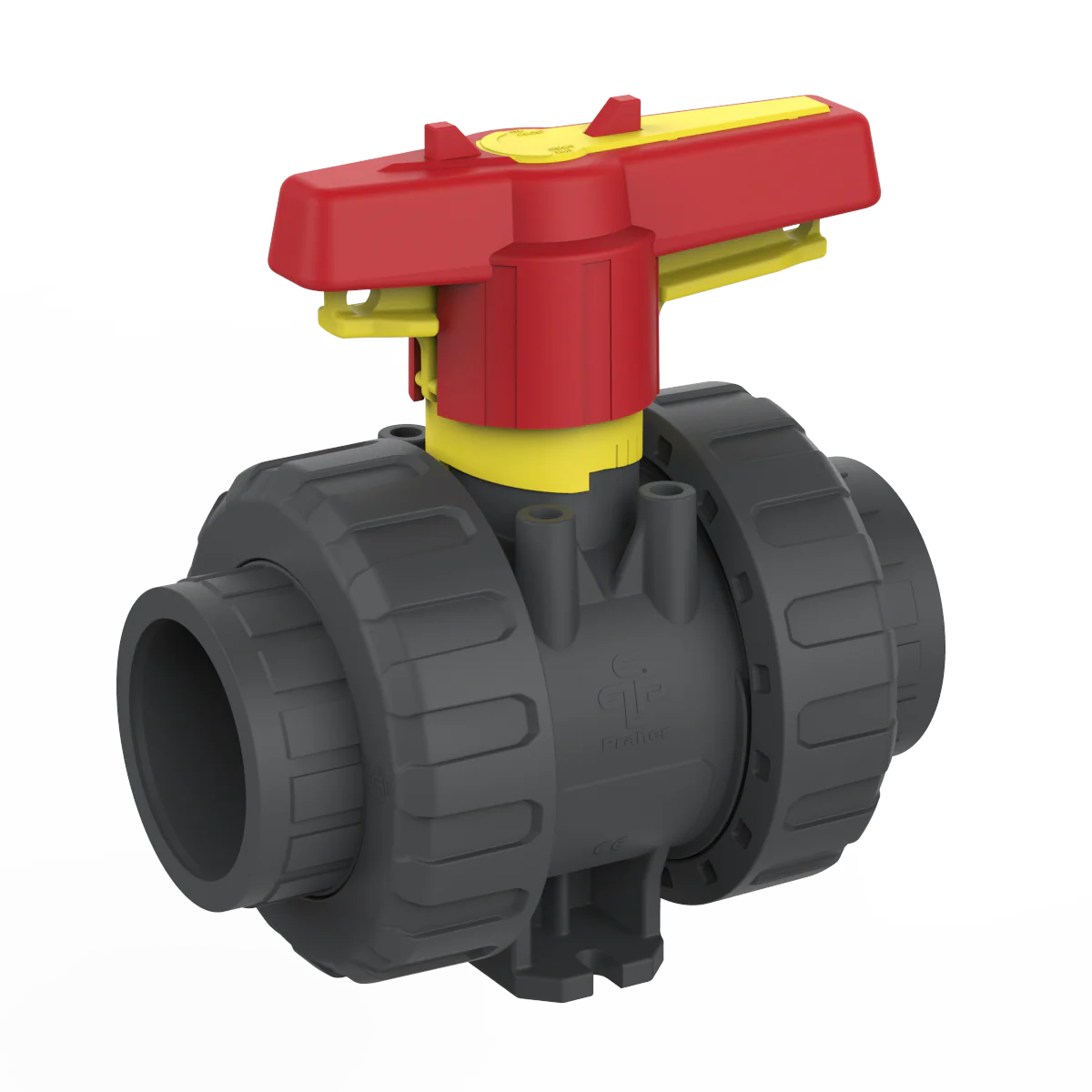
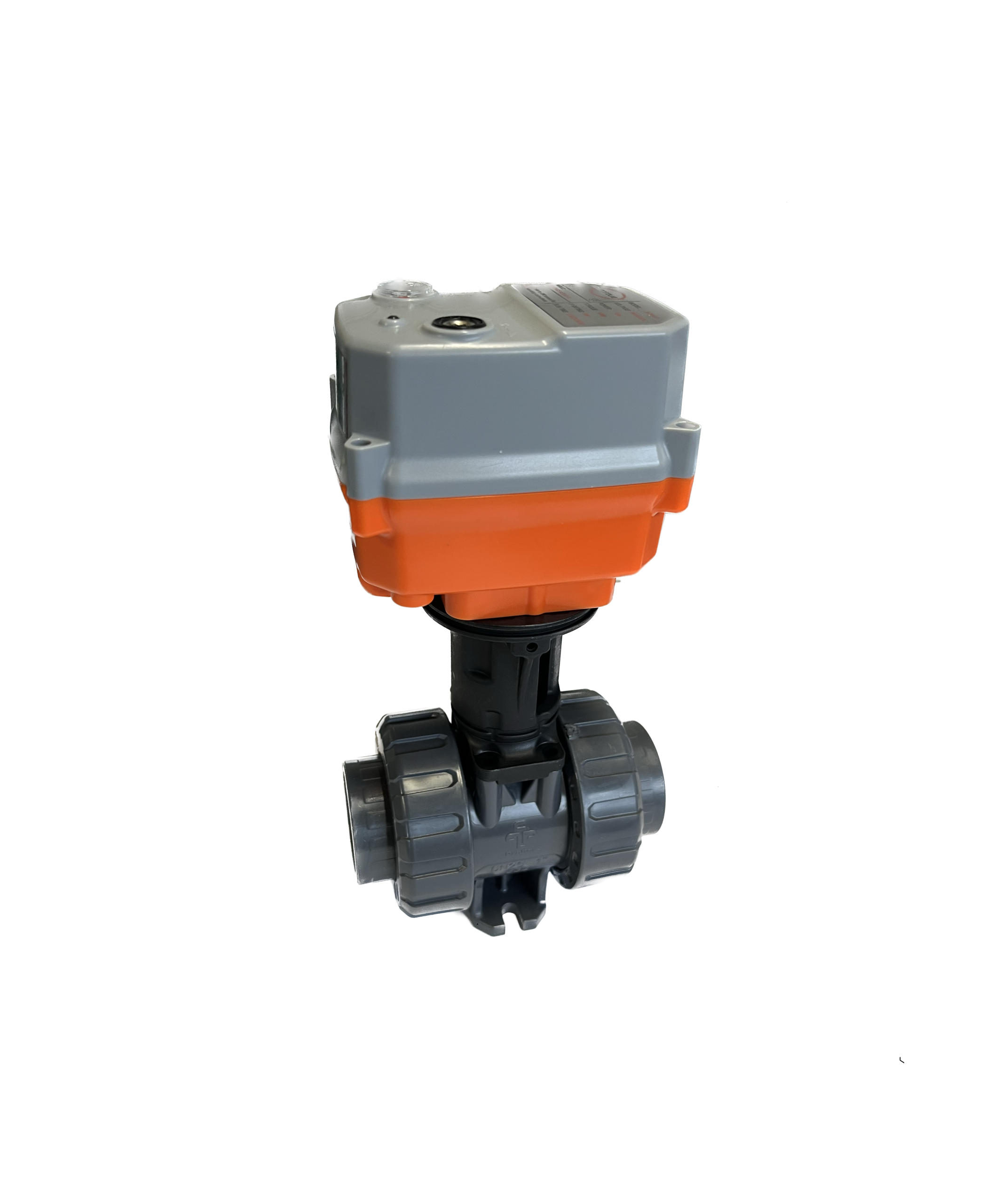
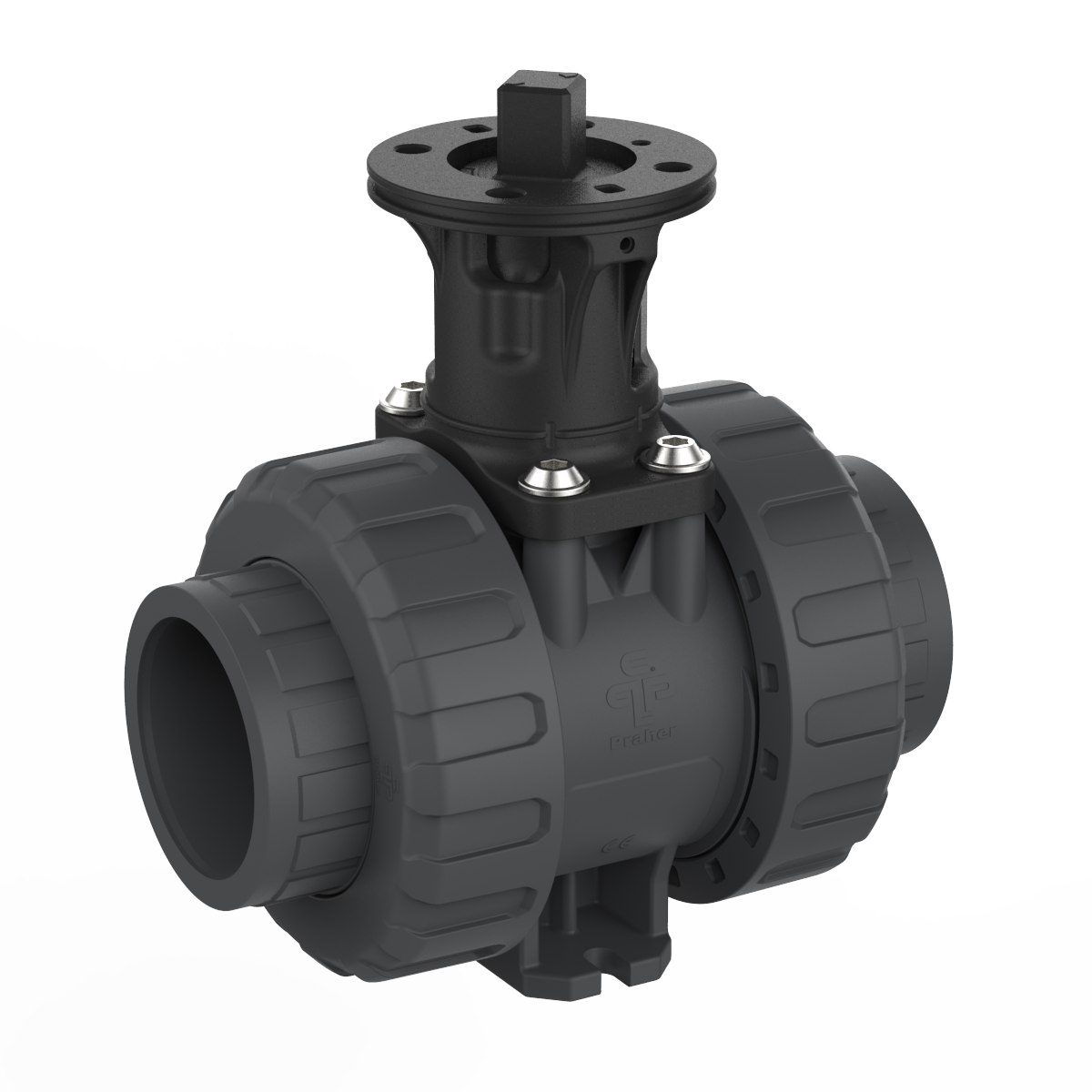
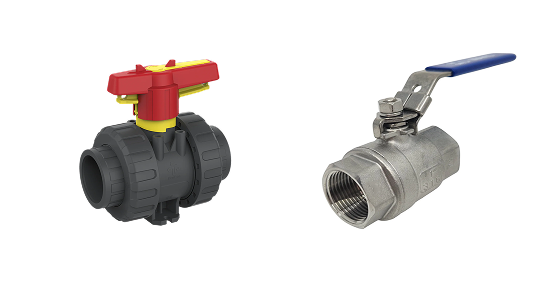
Thermoplastic ball valves offer several advantages that make them a preferred choice across various industrial sectors.
Their simple design not only reduces manufacturing costs but also makes installation and maintenance hassle-free, saving both time and money for industrial operations. The ability to function smoothly with minimal torque requirement further enhances their suitability for automation, streamlining processes and increasing efficiency.
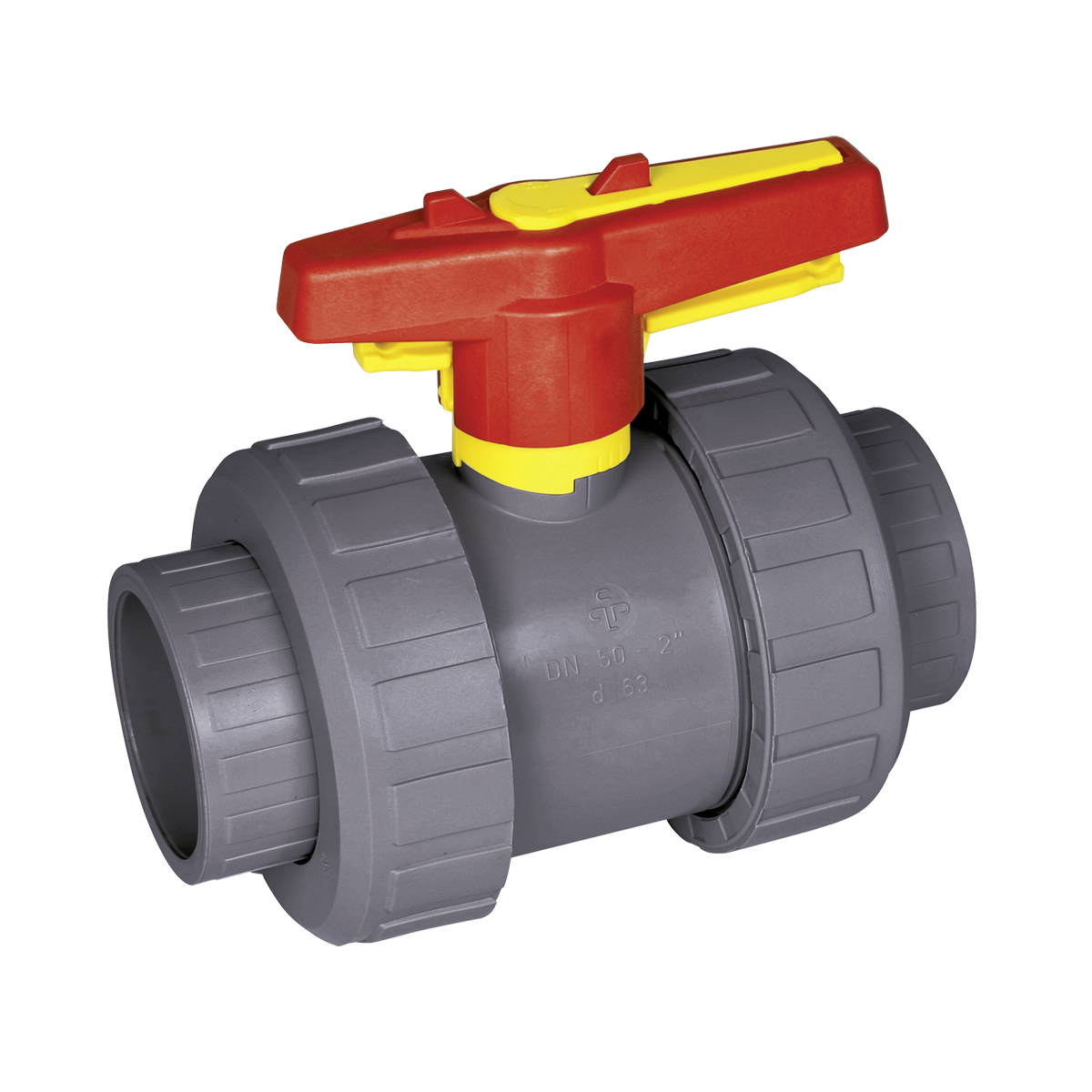
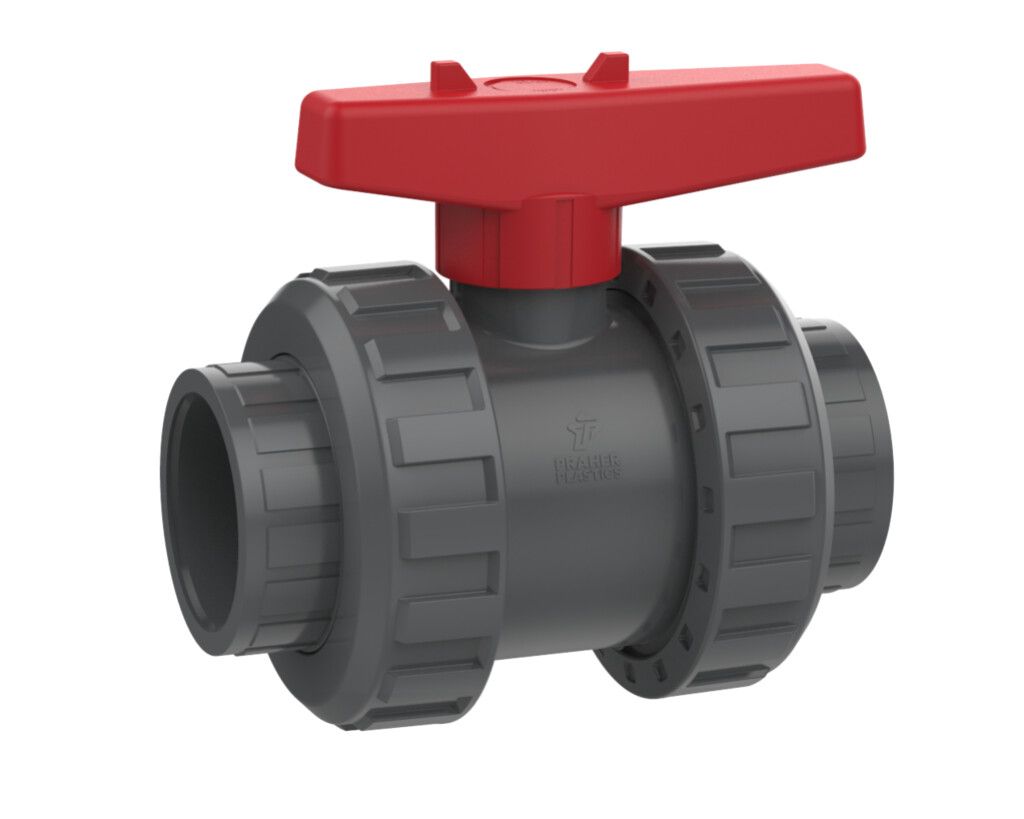
In sectors like food and beverage, chemical processing, water treatment, irrigation and pharmaceuticals, where strict regulations often apply, the corrosion-resistant properties of plastic ball valves ensure reliability and longevity even in harsh conditions. Moreover, their compatibility with a wide range of fluids and gases enhances their applicability across diverse industrial settings. Choose between PVC-U, PVC-C, PP or PVDF depending on your needs.
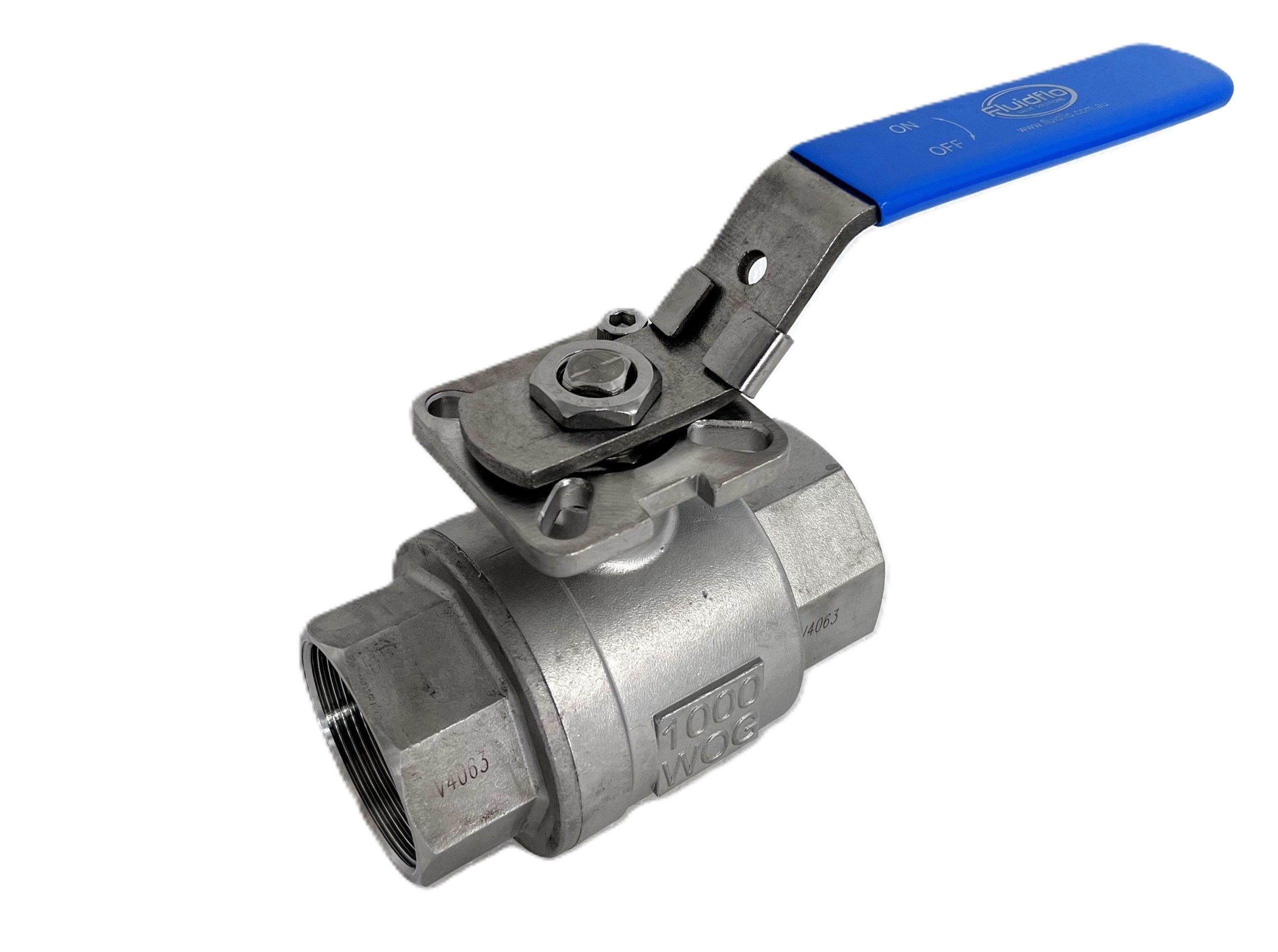
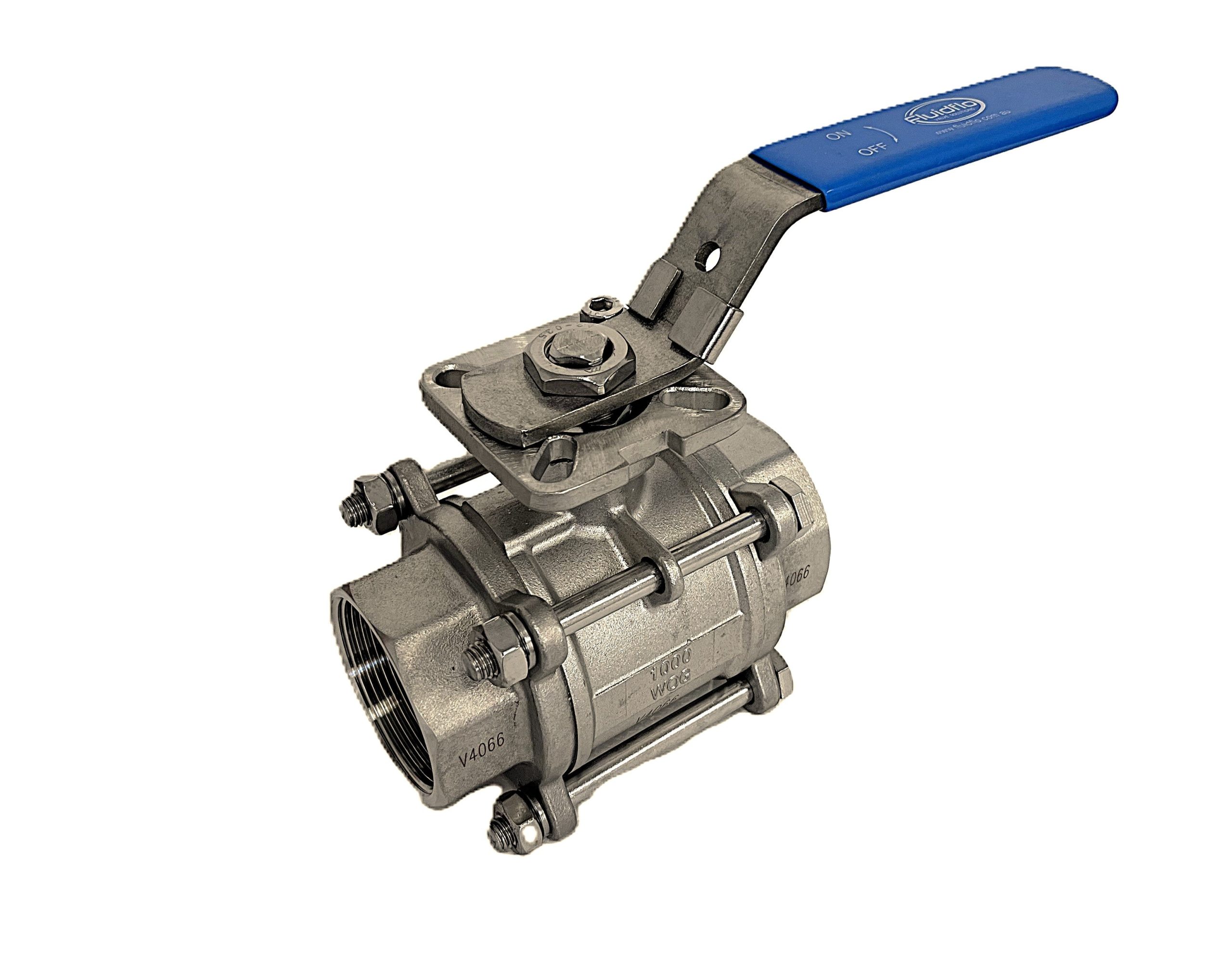
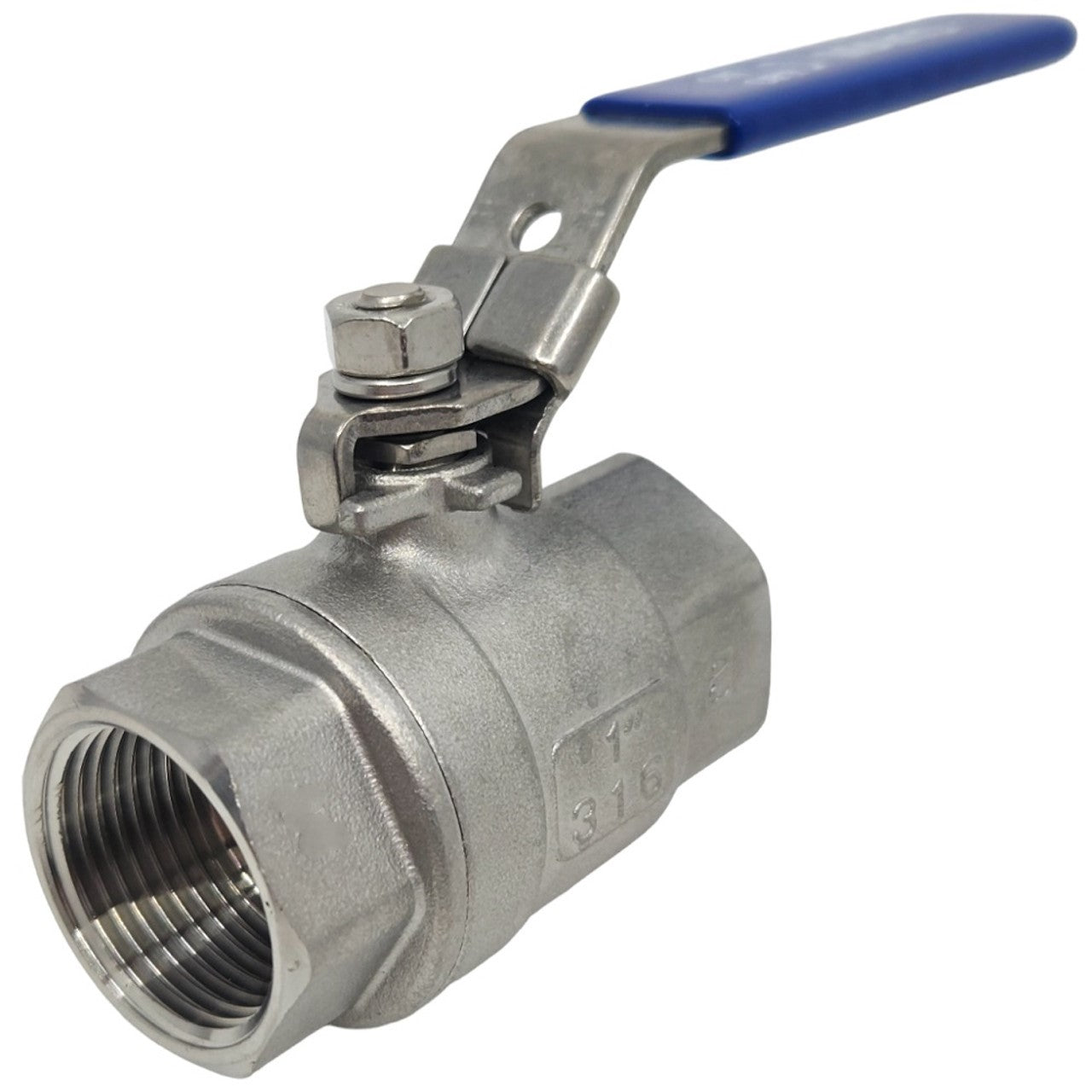
Stainless Steel construction ensures durability and reliability in diverse operating conditions.
Given the range of sizes, pressure ratings, and design options available, Stainless Steel ball valves are suitable for numerous industries such as oil and gas, chemical processing, water treatment, pharmaceuticals, and more.
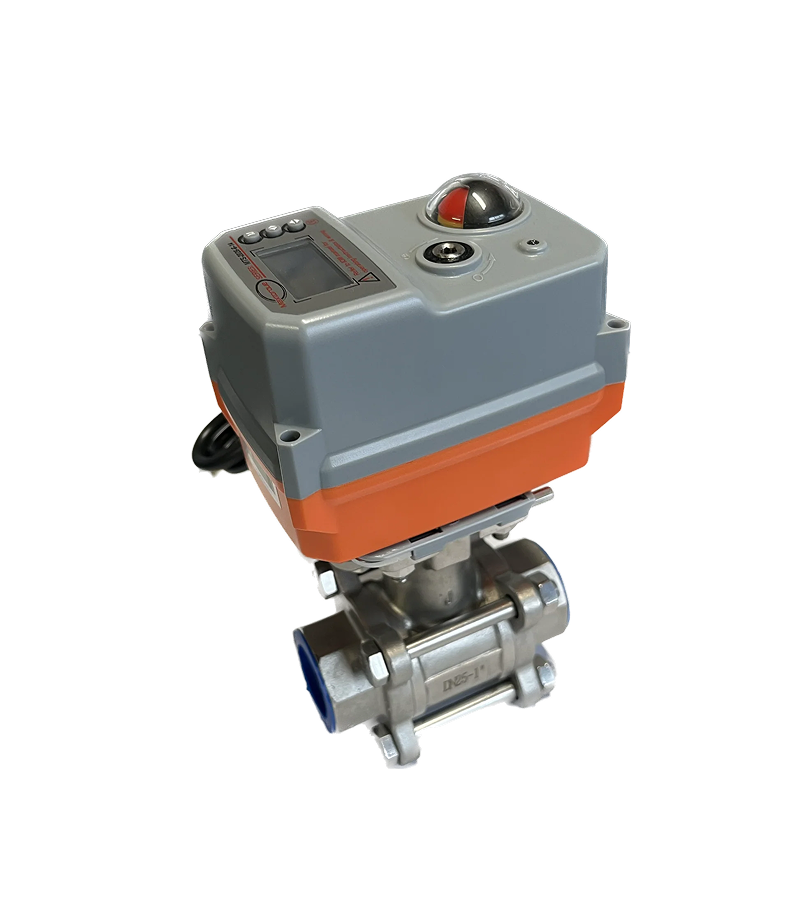
Actuated ball valves offer versatility in various applications due to their capability for On/Off control, modulating control, and failsafe functions.
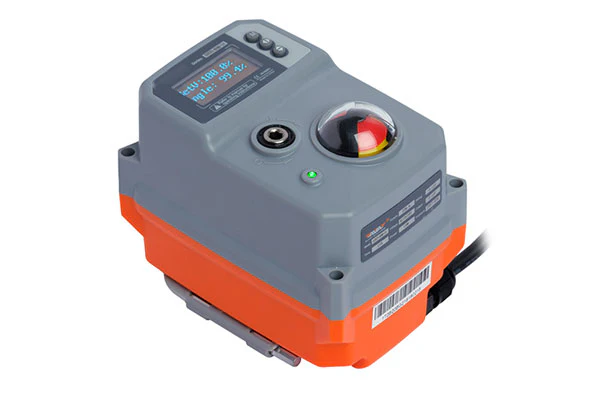
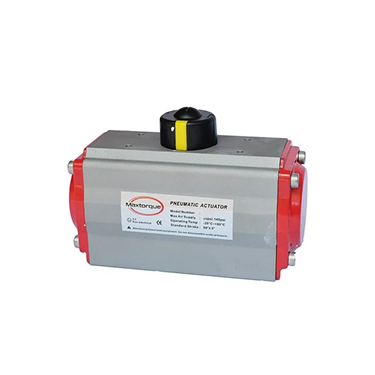
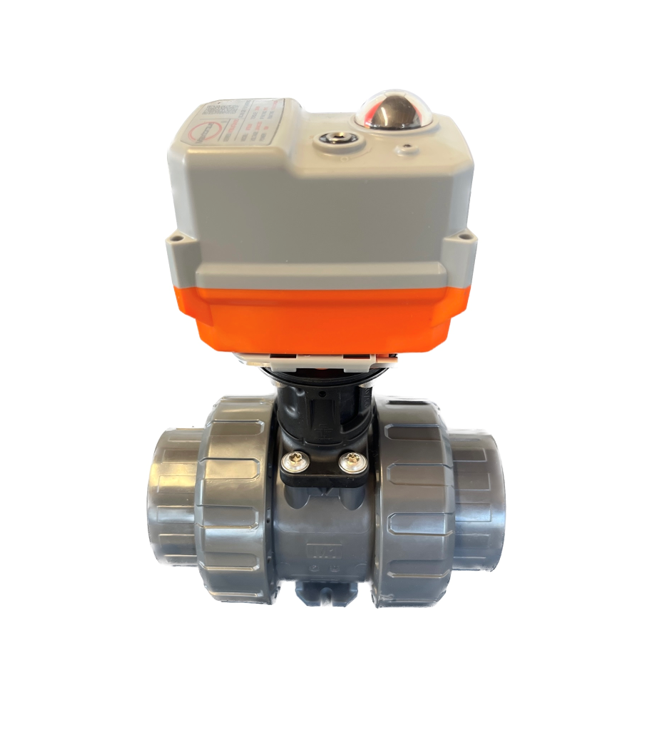
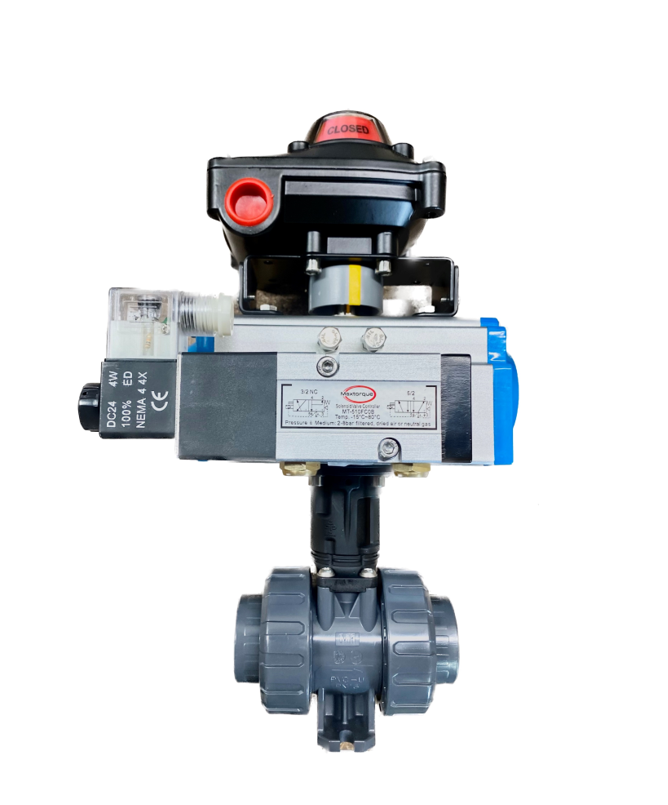
Commonly equipped with either electric or pneumatic actuators for automation purposes, Electric actuators utilise electrical energy to rotate the valve, while pneumatic actuators use compressed air to generate torque for valve operation.
Electric actuated ball valves often include manual overrides, valve position indicators, anti-condensation heaters, position confirmation switches, over-torque protection, and weatherproof enclosures. Pneumatic actuators can be spring return (open or closed) or double-acting, offering flexibility in operation.
Actuated ball valves are found across various industries due to their compatibility with different fluids such as water, gas, air, oil, and more. They are commonly used in industrial processes, wastewater treatment, mining operations, energy refineries, chemical handling, swimming pool systems, irrigation setups or anywhere precise control and reliability are crucial.
A ball valve consists of the body, ball seats, stem and handle, as well as actuators and end connections. Here is a more detailed look at ball valve parts.
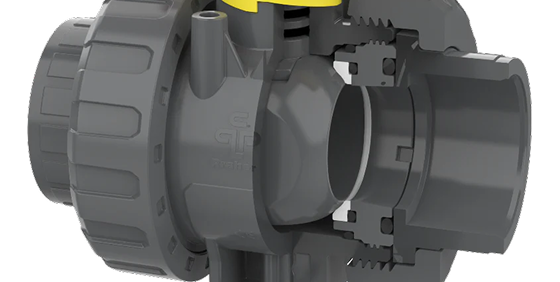
This is the main housing of the valve which provides structural support and protection. The valve body has ports for fluid entry and exit and encases the ball. Typically, the valve body will be made from stainless steel, cast, thermoplastic or brass material.
The ball valve is spherical in shape with a hole in the centre to control flow of fluid and gases. The ball is usually made from stainless steel, chrome plated brass or from a thermoplastic material.
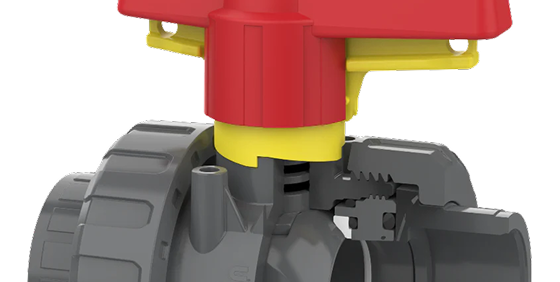
The valve stem is the part that connects the ball to the external handle or actuator. It is the link between the handle and the movement of the ball.
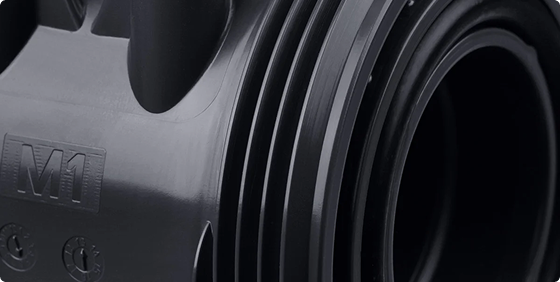
In a ball valve, the set is the immoveable surface that the rotating ball presses on to create a seal which prevents fluid flow or gas leaking from bypassing. The seals are usually O-rings or other seals that create a watertight barrier.
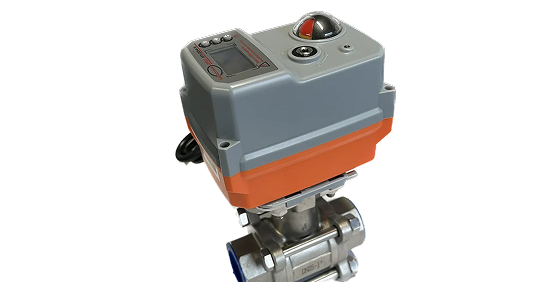
This is the external control mechanism of the ball valve which may be in the form of a handle, lever or pneumatic actuator.
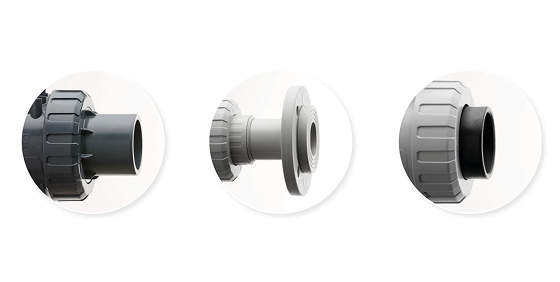
The end connection is the method by which the ball valve is attached to the piping system. There are various end connections to suit different applications. These include threaded connections which are common for smaller valves, flanged connections suitable for high pressure applications, and welded connections for a permanent and leak proof seal.
This is the main housing of the valve which provides structural support and protection. The valve body has ports for fluid entry and exit and encases the ball. Typically, the valve body will be made from stainless steel, cast, thermoplastic or brass material.
The ball valve is spherical in shape with a hole in the centre to control flow of fluid and gases. The ball is usually made from stainless steel, chrome plated brass or from a thermoplastic material.
The valve stem is the part that connects the ball to the external handle or actuator. It is the link between the handle and the movement of the ball.
In a ball valve, the set is the immoveable surface that the rotating ball presses on to create a seal which prevents fluid flow or gas leaking from bypassing. The seals are usually O-rings or other seals that create a watertight barrier.
This is the external control mechanism of the ball valve which may be in the form of a handle, lever or pneumatic actuator.
The end connection is the method by which the ball valve is attached to the piping system. There are various end connections to suit different applications. These include threaded connections which are common for smaller valves, flanged connections suitable for high pressure applications, and welded connections for a permanent and leak proof seal.
Due to their durability, strength, versatility and reliability, ball valves have a wide variety of applications. They are simple to install and make piping systems more efficient due to their quarter turn operation. Ball valves can be used in these industries:
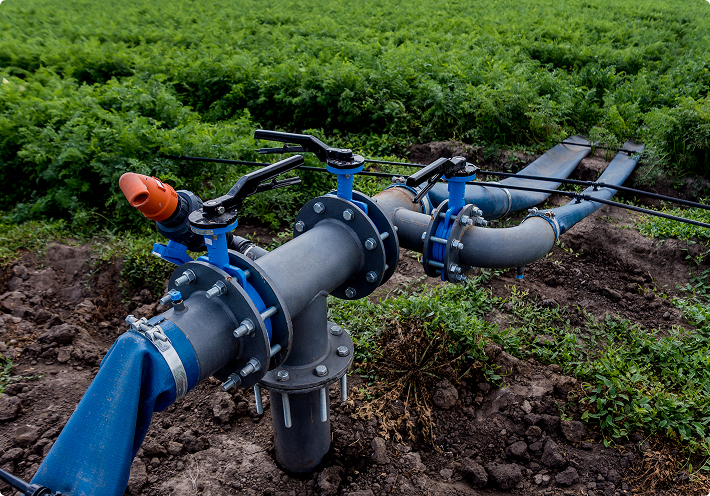
Ball valves are widely used in water treatment plants, and wastewater management systems to control and isolate water flow. They act as quick acting devices that can shut off in seconds. They enable efficient water flow regulations of both intake and outflow and can be used to regulate water pressure.
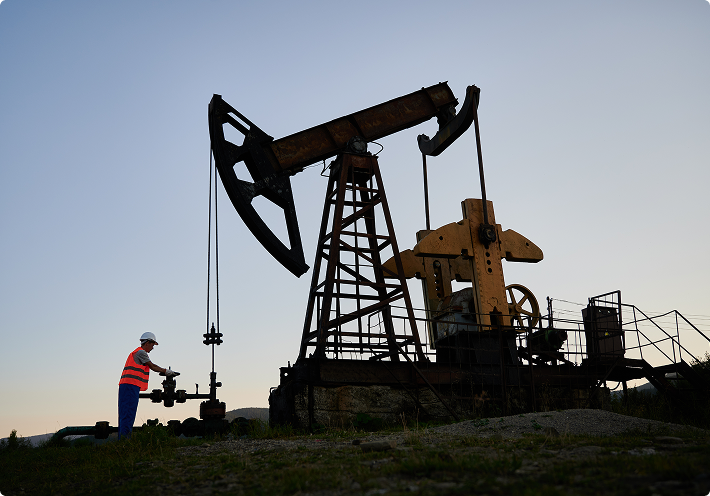
Ball valves play a critical role in the oil and gas industry as they ensure pipelines have fast shut off to isolate and manage the flow of oil and gas. They work well in high pressure situations and supply tight and reliable sealing which inhibits the likelihood of leakage.
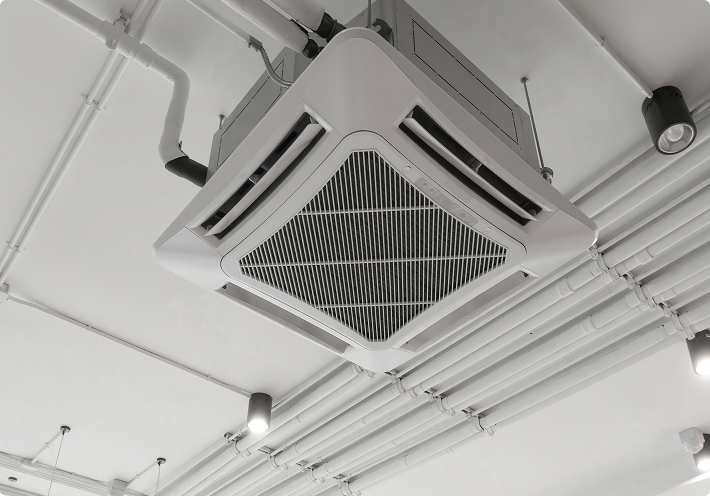
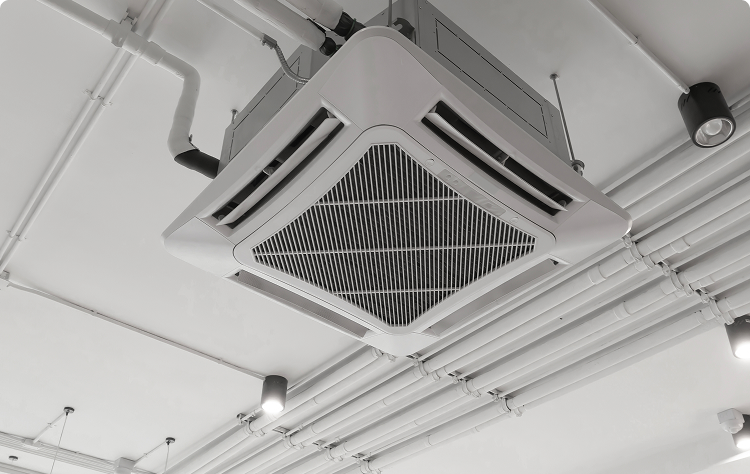
In heating and cooling systems, ball valves are used to regulate the flow of refrigerants and water which aids in temperature control. Usually ball valves are used for chilled or hot water with up to 60% glycol concentration (the mixture used in heating and cooling systems to ensure freeze protection).
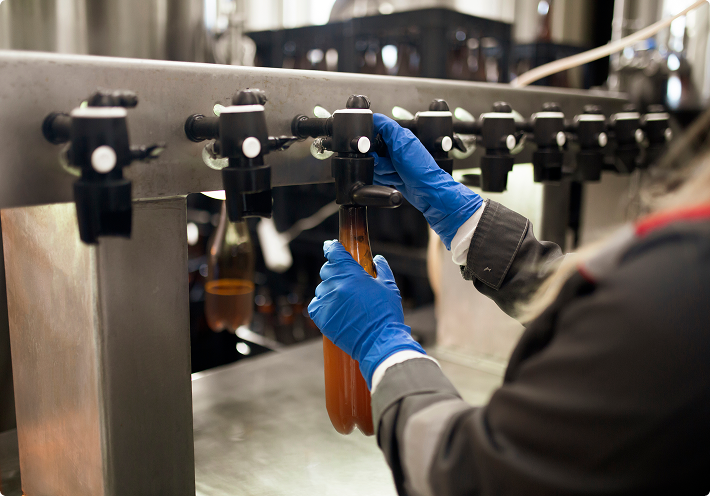
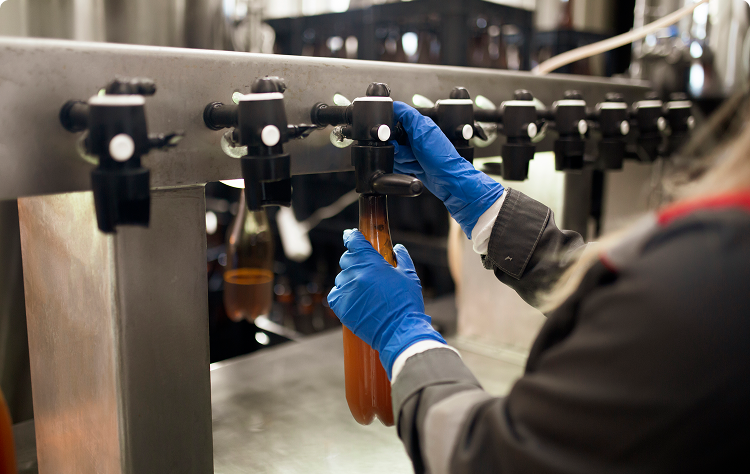
Ball valves are used in industries with strict hygiene requirements like food processing as they offer smooth operation and easy cleaning. Ball valves in the food processing industry ensure ingredients flow smoothly which results in food safety. Their precise regulation of liquids ensures safe processing and distribution of food products.
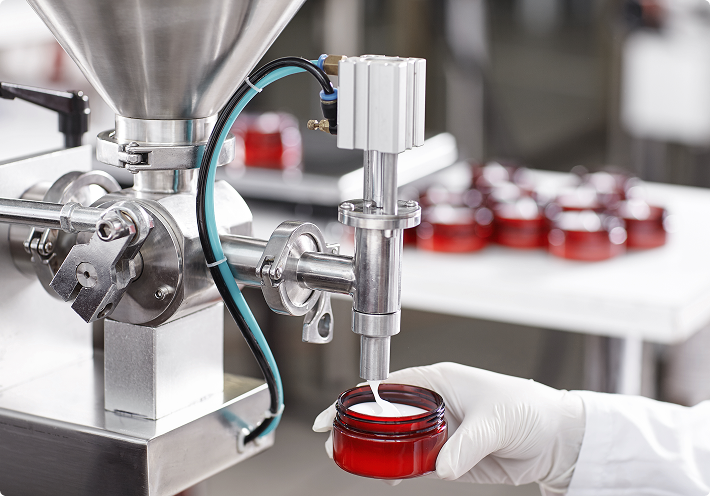
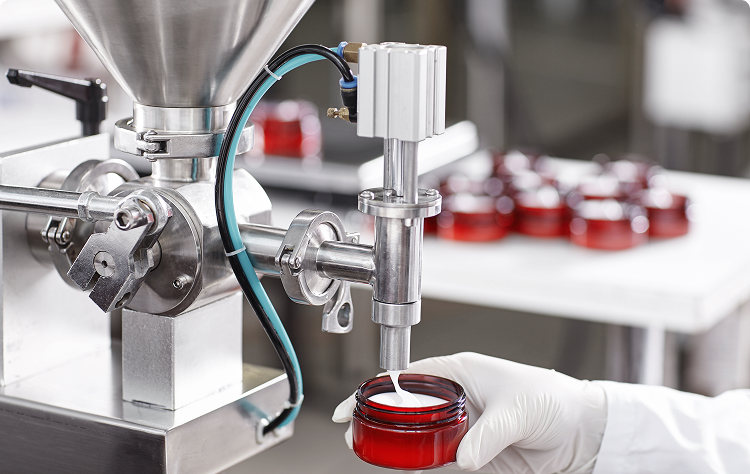
Ball valves are widely used in the pharmaceutical industry as they regulate flow, ensure product integrity, and provide a safe and sterile environment. They are engineered to ensure the expulsion of debris and prevent microbial contamination which is crucial for product sterility and efficacy.
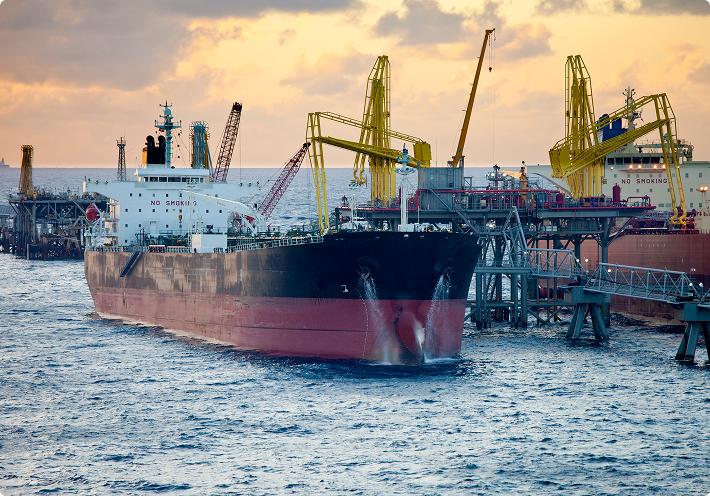
Ball valves are often used in the marine and ship building industry to control and regulate fluid flow and isolate systems for regular maintenance. In the marine industry, they are most commonly used in ballast tanks, fuel systems, hydraulic systems and ballast tanks due to their quick shut off capabilities, minimal pressure drop and ability to handle a variety of liquids.
Ball valves are widely used in a variety of industries due to numerous advantages. The key benefits of ball valves include:
Ball valves are known for the ability to ensure liquid or gas can be shut off quickly which is critical in emergency situations.
Ball valves are easy to install and remove because of their simple design, lightweight and compact design.
Known for their reliability and precise action, ball valves provide excellent flow control for regulating liquids and gases through pipelines.
Ball valves are made with high quality materials and sturdy construction which makes them durable and long lasting.
The tight sealing mechanism ensures minimal leakage and the spherical shape of the ball helps reduce stress on the seats which allows for high pressure handling.
Ball valves have low pressure drop because of the bore design that minimises resistance and turbulence which lead to a reduction in pressure drop and increased energy efficiency.
Ball valves require little maintenance due to the straightforward mechanism of a rotating ball blocking or allowing air flow that minimises the number of parts that need to be serviced.
Ball valves tend to be more affordable than complex valve types.
To select a ball valve, there are a number of factors to consider. These include:
Make sure to select a valve size that is compatible with the pipeline and matches the existing connections. Consider if the connection type is threaded, flanged or welded, for instance.
Choose a valve that is made of material compatible with the fluid being used and environmental conditions.
Ensure the ball valve can handle the pressure and temperature required for it to withstand.
Choose a ball valve that will work with the flow control rate requirements. If you require extremely high flow control, you will need to consider a large valve. However, if the valve is too small, it can also inhibit efficiency.
Consider the type of actuation you require, whether it is manual, electric, or pneumatic.
Take into account the type of application it will be used for, such as water distribution, food processing, or the gas or oil industry.
Need help finding what you need?
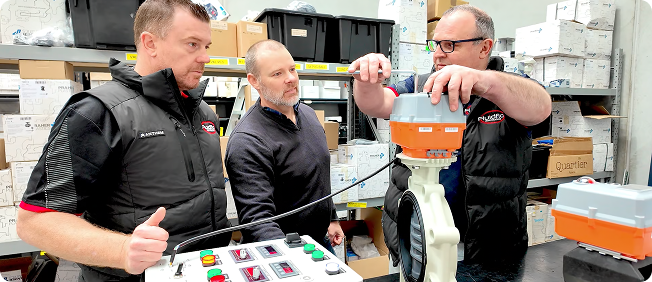 CONTACT US
Need help finding what you need?
Ball valves are used to fully shut off or fully open fluid of gas flow through a pipeline.
Ball valves can be used for isolation as they can attain positive shut off due to the soft seats.
Ball valves and gate valves both work to block flow of fluids or gas. However, they have significant physical differences. Ball valves open via a handle, stem and ball, while gate valves open by lifting a gate out of the path of the service fluid.
Stainless steel, actuated and plastic.
Ball valves are sized based on the diameter of the pipe they used on. For instance, a valve used on an intravenous drip uses a tube ranging from 1.5mm – 3mm. Most common sizes range from 6mm to 100mm, however, in some industries, valves can be as large as 1-1/2 metres in diameter.